Outlaws and Wanderers After the End of the World
The Hebrew Bible as History
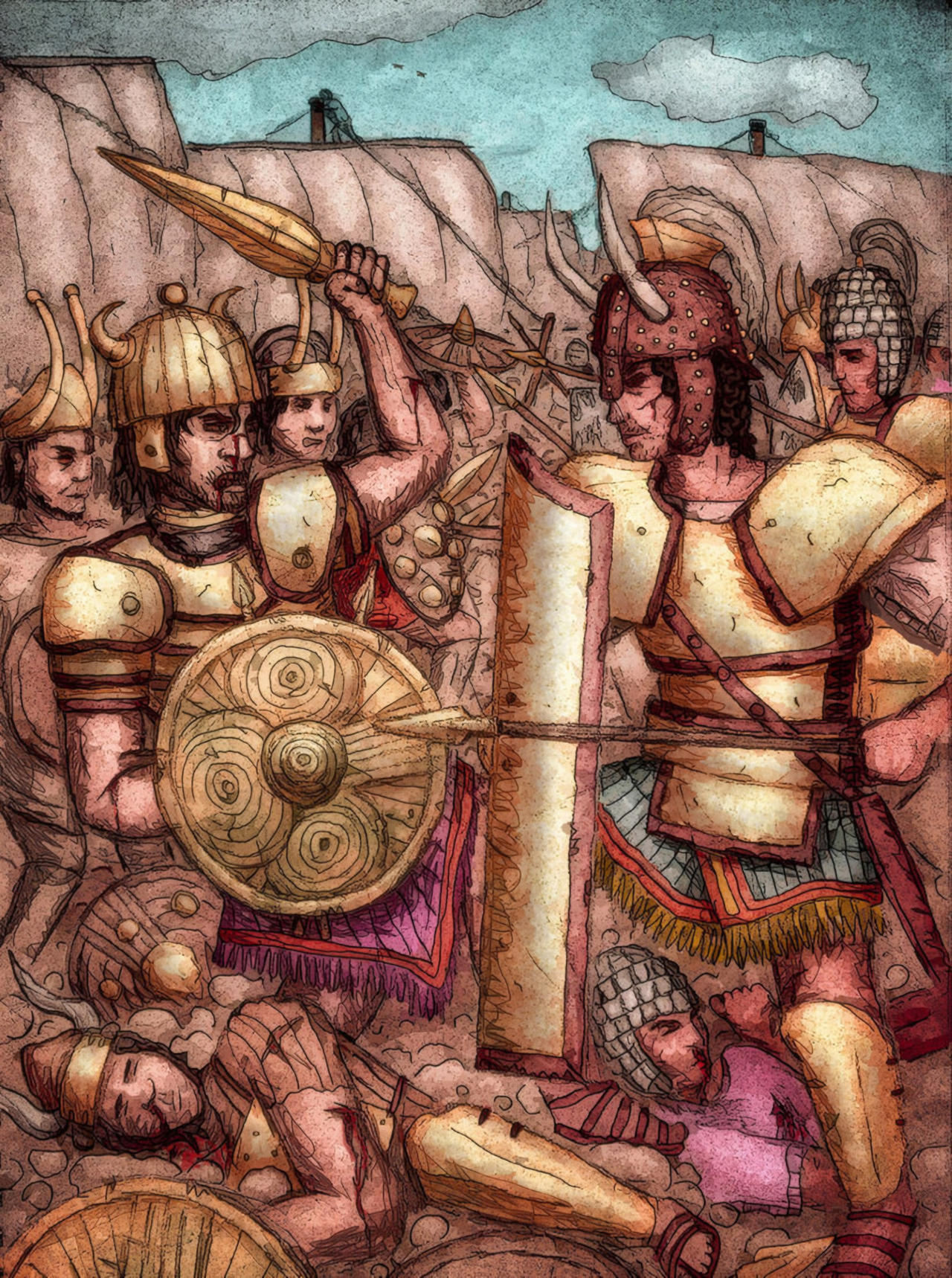
At the height of the Bronze Age, the Mediterranean was a thriving interconnected web of societies – the wealthiest and most complex in the history of the world at that time. And then, around 1200 BCE, it all fell apart in the Bronze Age Collapse.
It was the most devastating and widespread societal collapse in recorded history… so far.
It’s not mentioned in the Bible at all, which is a real shame – the imagined apocalypses of Daniel and Revelation were so vivid, it would have been fun to see what the biblical authors did with a real one.
Despite never mentioning the collapse, the Bible is the story, myth entwined with history, of civilization rebuilding after the end of the world.
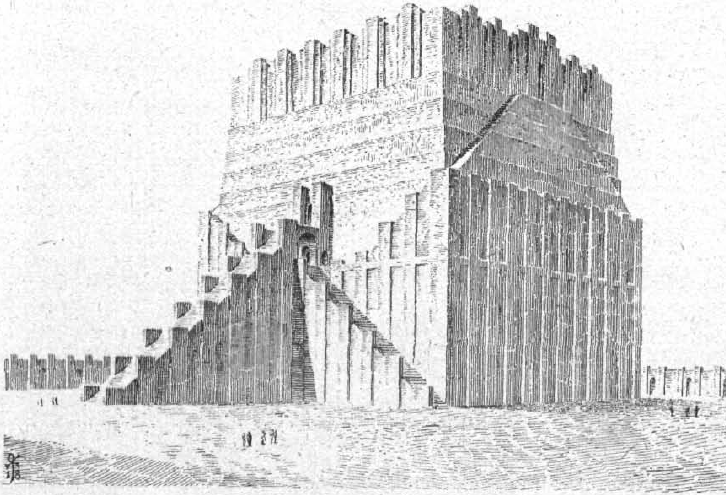
The Bible’s Bronze Age material (roughly, Genesis and Exodus) is mythology (though with elements of retrojected truth, e.g. the Tower of Babel was probably originally a story teasing the Assyrians for a troubled Iron Age construction project, rebuilding a razed Babylonian ziggurat with multi-lingual forced labor [1]).
The Iron Age material (describing events 13th century BCE and later) is a history – altered, for political purposes.
If you learned your Biblical history in Sunday School, or by reading my plot summary of the Bible, you’re in for some surprises:
- The Israelites and Judahites were native to Canaan, not escaped Egyptian slaves (at least, not most of them).
- Their tribes did not all descend from a single father.
- The two kingdoms did not start out unified, and were initially probably no closer to each other than they were to neighbors like Edom, Moab, or Ammon – all these nations spoke a mutually intelligible language and shared a material culture (e.g. built similar housing and made similar pottery).
- The idea that there was only one god came very late – during the Babylonian Captivity (more than a hundred thirty years after the destruction of Israel), and possibly much later, under Greco-Roman rule or even in Diaspora.
This post will cover roughly 1500 BCE through 722 BCE. Human civilization will burn down and our heroes will arise from the ashes… only to suffer a terrible defeat.
The subsequent post will continue until the end of the history told in the Hebrew Bible, and will go into detail on why the narrative doesn’t match history, and who benefited from the changes.
(For those who care about words: “Hebrew Bible” refers to approximately the same books as “Old Testament,” but the traditional order and inclusion of some secondary texts varies, and the term “Hebrew Bible” does not assume a Christian worldview; informally, we can say it’s the holy text common to Judaism and Christianity. [Its status in Islam is more complex.] Despite the name, it’s not exclusively written in Hebrew; some bits are written in Aramaic, which became the language of the region a little later in history.)
Actual Historical Timeline
| Events | When | Era |
|---|---|---|
| Wealthy city-states and marginal fringe dwellers | ??-1200 BCE | Bronze Age |
| Bronze Age Collapse | 1250-1130 BCE | |
| Highland federations expand into the lowlands | 1200-1000 BCE | Iron Age |
| Henotheistic Levantine cousin nations | 1000-722 BCE | |
| Creation of separate J and E sources, in Documentary Hypothesis | ||
| Absorption of Israelite refugees into Judah | 722-680 BCE | |
| Integration of J and E sources, in Documentary Hypothesis | ||
| Deuteronomistic reforms | 622 BCE | |
| Creation of D source | ||
| Babylonian Exile | 586-538 BCE | |
| Creation of P source | ||
| Return to Zion | 538 BCE | |
| Last major redaction of sources into the Pentateuch |
(For the nitpickers, there are different schools of thought on when and how the layers of the text were brought together; this table assumes a form of The Documentary Hypothesis; the other major model is The Supplementary Hypothesis, which agrees on many of the layers, but disagrees about how and when they appeared in the text.)
Longer version
Rebels Collect on the Margins
It’s before 1200 BCE. By far the coolest metal available for tools and weapons is bronze. Let’s call it the Bronze Age.
The area known as Canaan or the Southern Levant is dominated by wealthy city-states: the lowland and valley states of Megiddo, Beth-Shean, Lachish, Gezer, Gath, Hazor, and in the highlands, Shechem. Jerusalem is a small, fortified highland citadel.
That is, they would be wealthy, except they’re vassals of Egypt. It’s a protection racket. They have to send massive quantities of raw resources (wood, grain, wine, olive oil, copper), and slaves (artisans, courtesans, and laborers) to keep the Egyptian army at bay. Shit flows downhill: to pay their protection money, the Canaanite vassal-kings are taxing the hell out of their farmers and artisans, which drives many to flee beyond their boundaries into two marginal communities:
- The Habiru: outlaws and economic castaways hiding in the forests of the highlands. (The word “Habiru” is a social label meaning something like “outcast,” which was later coopted into an ethnic self-designation: “Hebrew.”)
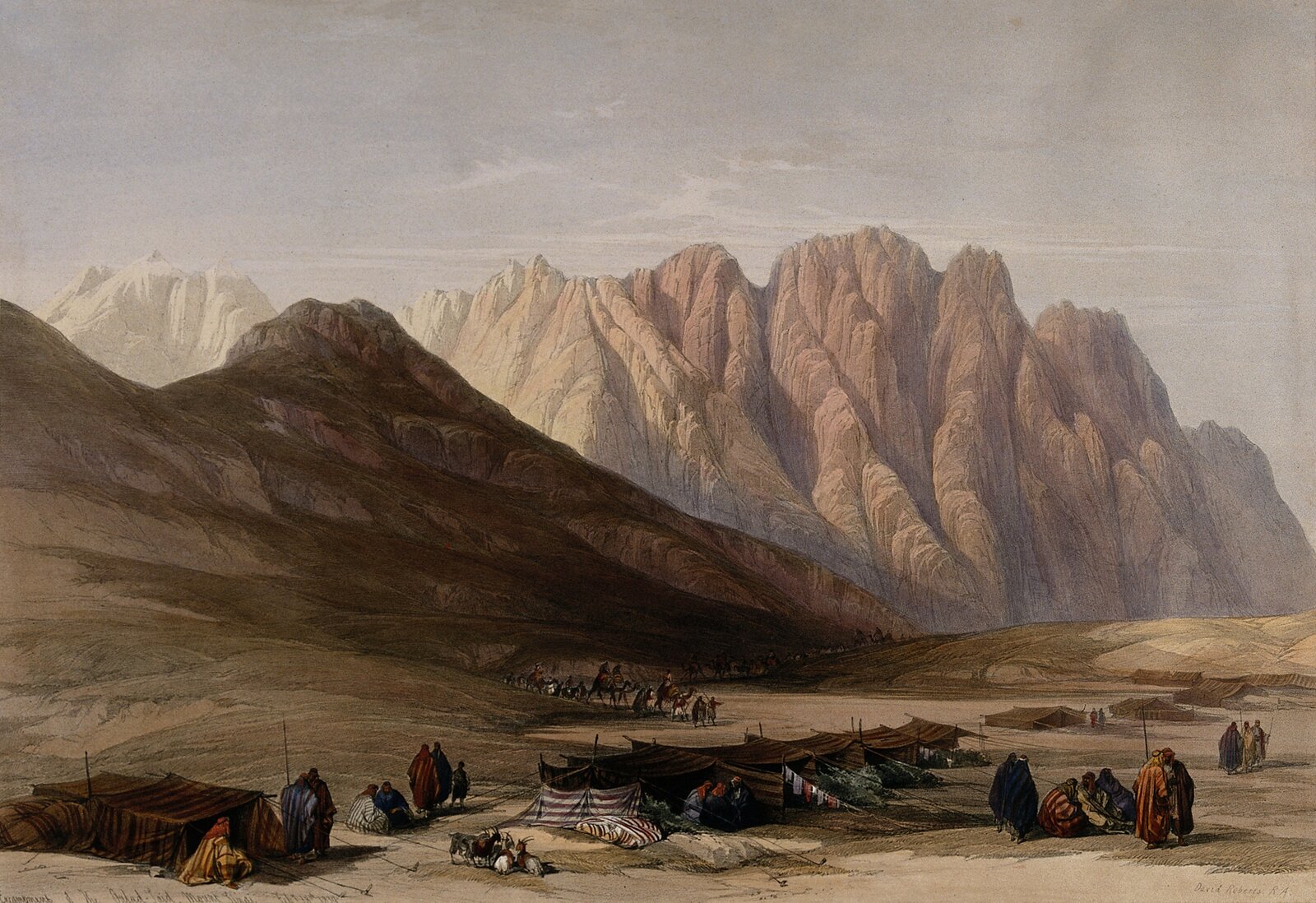
- The Shasu: pastoral desert nomads in Edom, Midian, and the Negev – a preexisting group, but their numbers swell with refugees from the city-states.


The lowland city-states are civilized Egyptian vassals. The highlands (above and east of the lowlands) are the dwelling place of outlaw Habiru. The deserts (to the south and east) are wandered by nomadic Shasu.

Interestingly, a prominent theory among scholars holds that a small group of Habiru, whom we will call proto-Levites, really is enslaved in Egypt at this time.
Levantine Religion
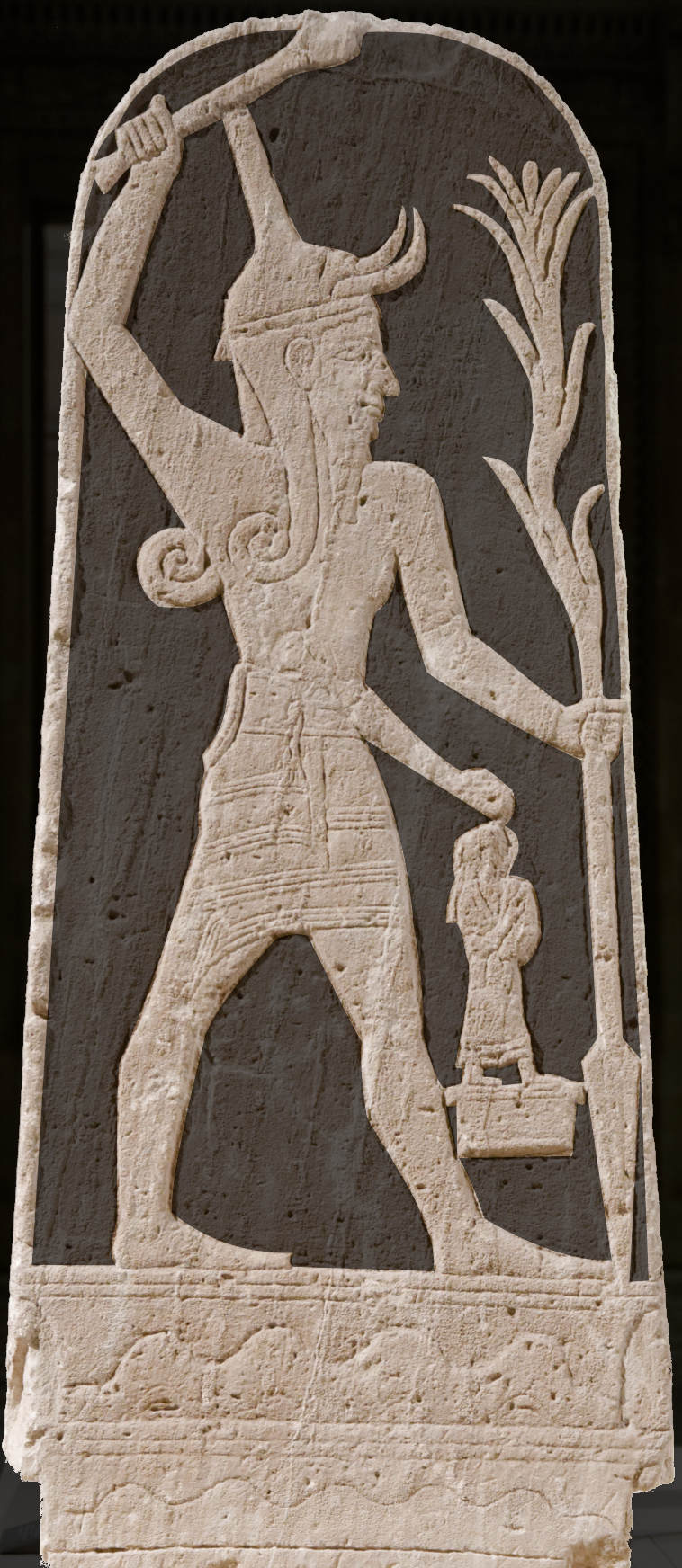

El is the father of the gods; he’s an elderly king on a throne with a royal robe, reserved, paternal and authoritative; he’s symbolized by a bull, and often wears a crown with bull horns.
Asherah is his wife, queen-mother of the cosmos, a nurturer and protector of life, fertility, and agriculture. She grants life and grants divine legitimacy to kings. She’s symbolized by a sacred pole or leafy tree, and by lions.
They have seventy children; with their children and lower craftsman and messenger deities, they form a Divine Council.
Every nation is ruled by one of their children. Baal (Haddad), a storm god, is a prominent son of Asherah. YHWH (the god of the Bible), once he emerges, will be treated as another son of Asherah for a while.
This meta-religious framework, with each nation primarily worshiping a specific child of El and Asherah, is universal across the Levant – the city-states, the Habiru, the Shasu, all take it as a given.
It is remarkably flexible; concepts like “your belief system is wrong and mine is right” don’t really exist, it’s instead an argument about whose patron god is better. If you run into a group worshiping a god you’d never heard of, you can integrate their belief system by saying their god is one of El and Asherah’s 70 children (who could remember all their names?). If you run into a fully developed pantheon like what they have in Egypt, you can say they just have different names for El and Asherah and some of their notable children.
And it makes intuitive sense. The gods of the nations are vassals to El just as the local kings are vassals to Pharaoh. As above, so below.
The Bronze Age Collapse
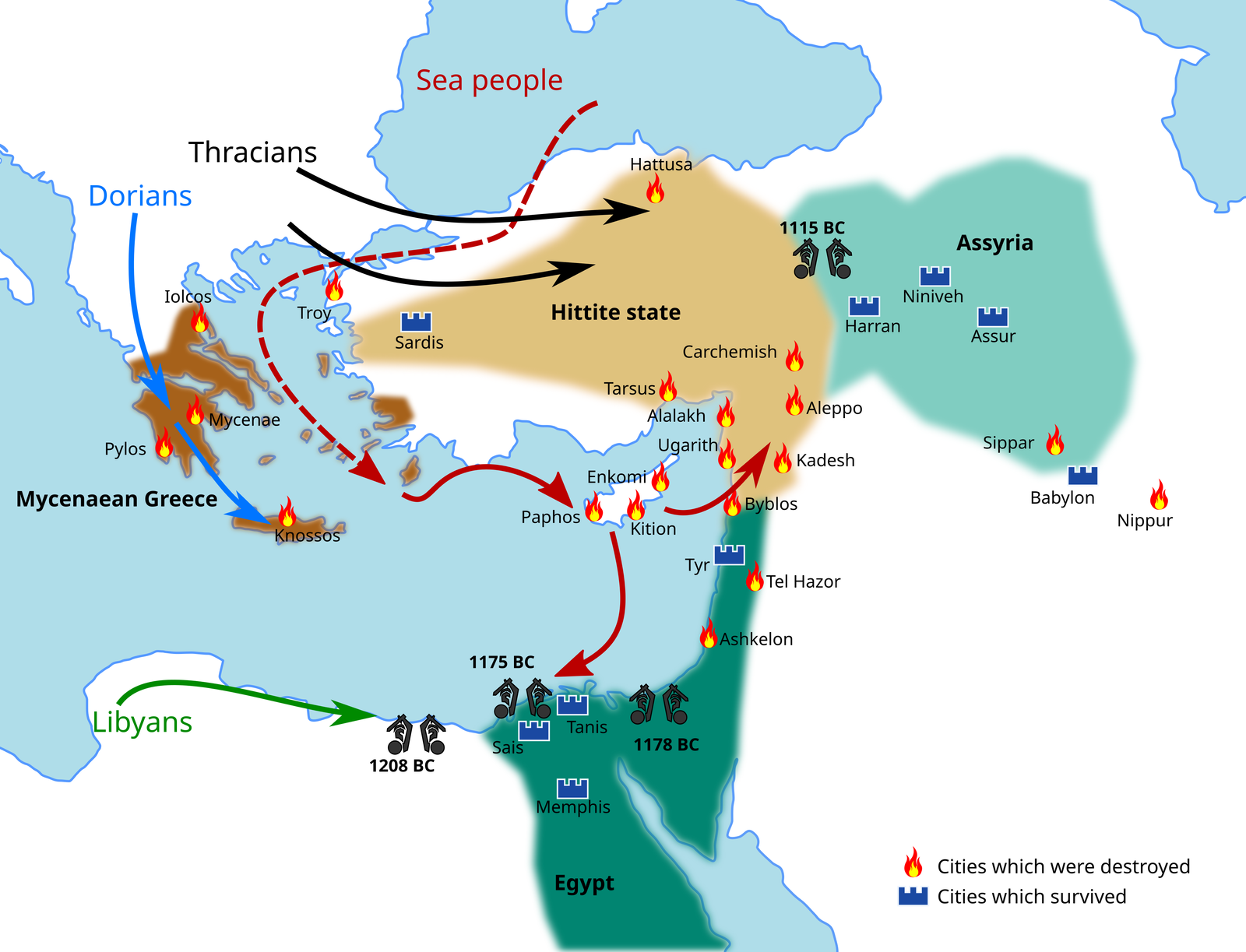

Between about 1250 BCE and 1130 BCE, the world is ending. Ask anyone.
Volcanic eruptions darken the sky. A century-long drought causes famine. Plague ravages the land. Raiders called the Sea Peoples sack city-states and set them on fire; these raiders are also refugees, fleeing starvation.
The Hittite Empire collapses. Its status as a great power is forgotten until ruins of its mighty capital are rediscovered in the early 20th century.
Greece falls so hard they forget how to read and write. They will have to re-purchase the technology hundreds of years later from Phoenician traders.
Kassite Babylon is conquered by an ancient enemy, Elam.
Middle Assyria fractures and contracts.
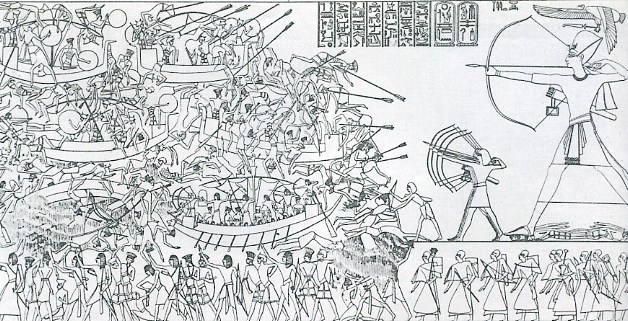
A large group of Sea Peoples either defeat the Egyptians and claim a chunk of land… or maybe they are defeated by the Egyptians and resettled on that chunk of land. Either way, the chunk of land becomes known as Philistia, and they become the Philistines (who will show up frequently in the Hebrew Bible as villains).
Egypt, bankrupted by their wars against the Sea Peoples, devolves into warring factions, and loses control of outlying regions… including the Levant.
The Habiru and the Shasu band together into tribal confederations to defend themselves not only from desperate refugees, but also from attacks on their grain and cattle by the Canaanite city-states, collapsing and driven feral by starvation.
These Habiru and Shasu confederations become the nations of Moab, Israel, Ammon, Judah, and Edom. The histories of Israel and Judah loom the largest to us today, but all these nations start from similar populations and cultural forces.
It’s possible some of the Sea Peoples join the tribal confederation… and are later labeled the Tribe of Dan, which may be why the Tribe of Dan gets a consistently raw deal through both Old and New Testament. [1]
(Labeling groups of distinct origins as Tribes named after children of Jacob turns out to be a pattern, which we’ll expand on next month.)
(Side note: OK, “the world is ending” raises an interesting point about cultural relativism; the world was ending in the Mediterranean. Current scholarship names six “cradles of civilization.” Two of the cradles anchor the Mediterranean area we’re discussing: Mesopotamia and Egypt – which together with the Levant and Anatolia form the most complex trade network and most concentrated wealth in the world. One cradle, Harappa in the Indus Valley, has already risen and fallen. In the Americas, the Olmecs and the Andeans are beginning to have complex construction and trade networks, but they do not yet have “glottographic” writing – forms of writing exist for record keeping, but cannot express arbitrary language. Only China is beginning to rival the complexity of the Mediterranean civilizations.)
A metal tangent
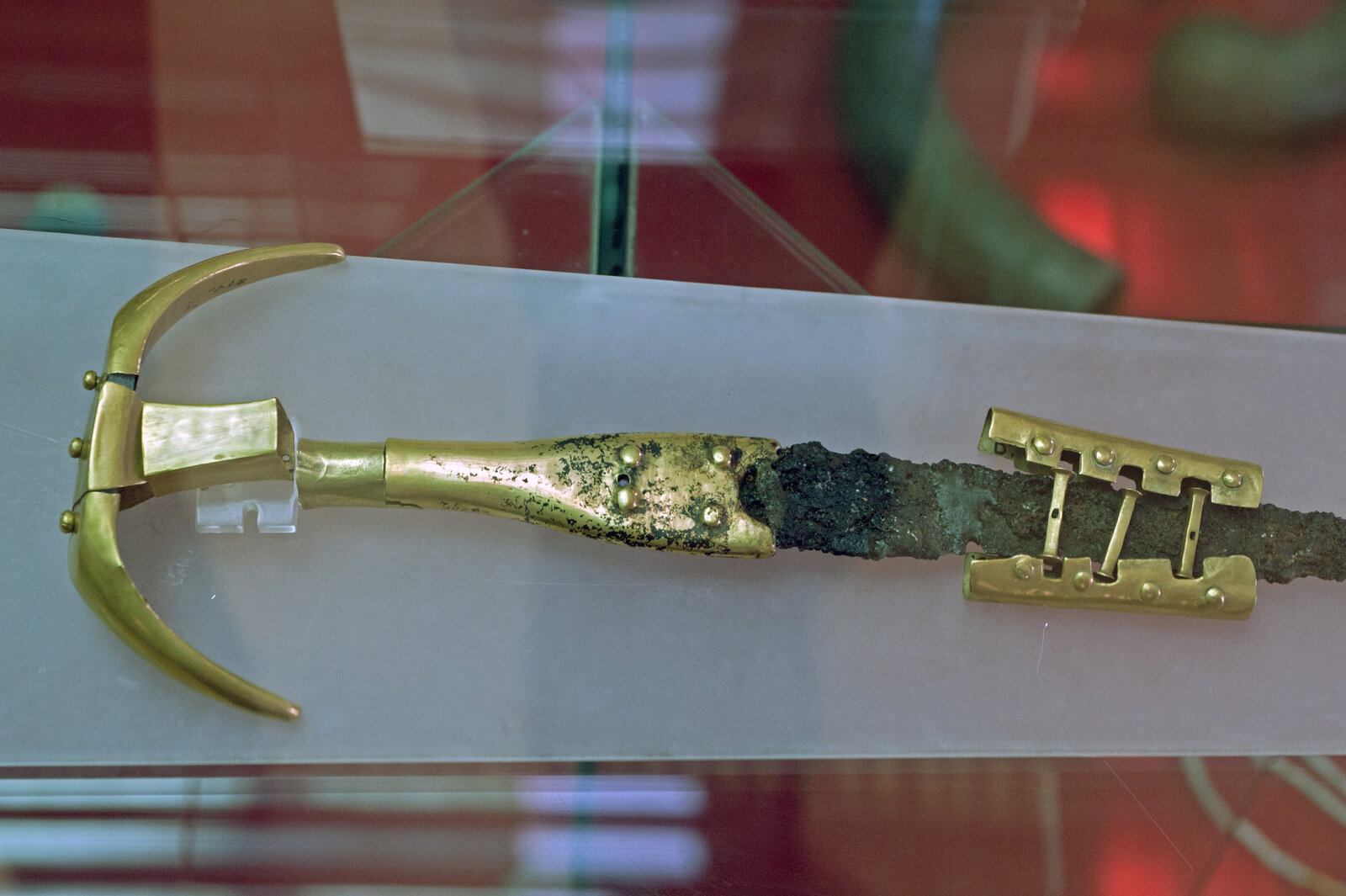

Yes, the Bronze Age Collapse ends the Bronze Age and leads to the Iron Age, but iron didn’t cause the collapse. The transition in which metal is the coolest was kind of indirect.
(And Bronze Age/Iron Age are culture-relative terms, not global ones. We’re talking about what metals defined these Mediterranean cultures, but e.g. China and the Americas made their technological transitions on different schedules. The pre-contact Maya barely used metals at all and never developed a “Bronze Age,” but they had sophisticated writing and a complex society, which the Mediterranean didn’t achieve until their Bronze Age.)
Bronze is an alloy of two elements, copper and tin, with a relatively low melting point; iron is a pure element with a much higher melting point. By the height of the Bronze Age, there’s some basic iron-working, but iron weapons are rare and kind of suck, whereas the technology for making bronze is very sophisticated. The best bronze is much better for weapons and tools than the best iron (… that anyone knows how to make).
But that sophistication comes at a price: bringing together the components requires long trade routes – the tin is imported all the way from Cornwall in the British Isles – which require military might and diplomatic relationships. The Bronze Age Collapse blows those supply chains the hell up.
Iron ore is everywhere, and now that there is no supply of quality bronze, there is suddenly a strong incentive for everyone to improve their iron smelting technology. Iron tools and weaponry quickly take off – and once the technology is understood, iron makes superior products without fragile supply chains. Suddenly, smaller nations that couldn’t have afforded to make bronze have large amounts of high-quality iron tooling.
Among those newly iron-equipped nations are Israel and Judah.
Conquering the City-states
When they had been Egyptian vassals, the oppression of the city-states had driven refugees into the arms of the Habiru and Shasu. Now the city-states have been abandoned by their overlords and are weak and starving, while the unified confederations of Habiru and Shasu are thriving; they have spread throughout the highlands, building farming villages, and they are well-fed.
Peasant revolts in the city-states and raids by the tribal confederations topple many cities; others peacefully accept the tribal confederations with their plentiful food. Soon, decentralized agrarian communities of tribal confederations cover all of Canaan.
A digression: the name of the God of the Bible

The very first time the name of the god that your Sunday School will just call “God” appears in the historical record, it’s an Egyptian text mentioning a group called the “Shasu of Yhw.” [1]. To the best of our knowledge, this specific group of Shasu are where the worship of this god originated.
I grew up thinking this God had no name, and that if he did, it did not appear in the Bible. (At least, I did until I received Asimov’s Guide to the Bible as a tween.) But in the Hebrew text, his original name is all over the place. Its absence in English texts is a decision by translators. When he’s called the word for “God” in the Hebrew, it’s rendered “God,” but when you see “LORD,” you know the original had his actual name written out.
A prohibition against speaking the name started around the 3rd or 2nd centuries BCE [1, 2], a few hundred years after most of the Hebrew Bible reached something like its modern form. (No, imaginary bonehead, it doesn’t have to be in English to be in its modern form.) It became forbidden to speak it in public, except for priests performing rituals within the Second Temple. In other contexts, people would say “Adonai” or “Elohim,” meaning “Lord” and “God,” respectively – the same two euphemisms used today in English.
When the Second Temple was destroyed in the Jewish-Roman Wars, we lost the last place in which the name was regularly pronounced… and with it, the vowels.
You may have heard the pronunciation “Jehovah.” Modern scholars think this is wrong, and that the correct pronunciation would have been more like “Yahweh.” But there’s an interesting story behind the erroneous pronunciation:
In the 8th to 10th centuries CE, a group of Jewish scholars called the Masoretes invented a system for adding vowels into the old texts, but by this time, pronouncing the divine name had been forbidden for a very long time, so putting the actual vowels on YHWH (even if they had been widely known) would have been inviting accidental blasphemy by a reader. They didn’t want to edit the text by removing the name, and the verbal convention was to replace the name during reading with “Adonai.” Since you were going to say “Adonai” anyway, they marked “YHWH” up with the vowels for “Adonai.”
A couple centuries later, early Medieval Christian scholars, some of them wildly anti-Semitic and thus uninterested in discussing the fine points with their Jewish scholarly counterparts, transliterated the name from the Masoretic text into Latin characters. At the time, “J” was how you spelled the modern “Y” sound, and “V” was how you spelled the “W” sound. (Wait, you may say – “Jehovah” is “e-o-a” vowels, which seems different from “a-o-ai?” Well, yeah, but you’re running into a weird pronunciation rule regarding how vowels are pronounced after certain sounds – interesting, but I’ve already digressed too far.) Anyway, if you slot the vowels of “Adonai” into the letters “JHVH,” and pronounce the vowels as they would be pronounced with those consonants, but then pronounce the consonants the way modern English speakers do, instead of the way they were intended… it sounds like “Jehovah.” Scholars are close to unanimous in saying this is not how the name was pronounced by Israelites or Judahites.
I will continue to spell the name YHWH, and though I may be struck by lightning, I will continue to write the proper name out when we’re talking about that specific god: at this point in the narrative, the word “God” alone would not be a unique identifier.
Cousin Nations with National Gods

The tribal confederations had been formed in opposition to the city-states, so they had thrown off their national gods and worshiped their parents, El and Asherah.
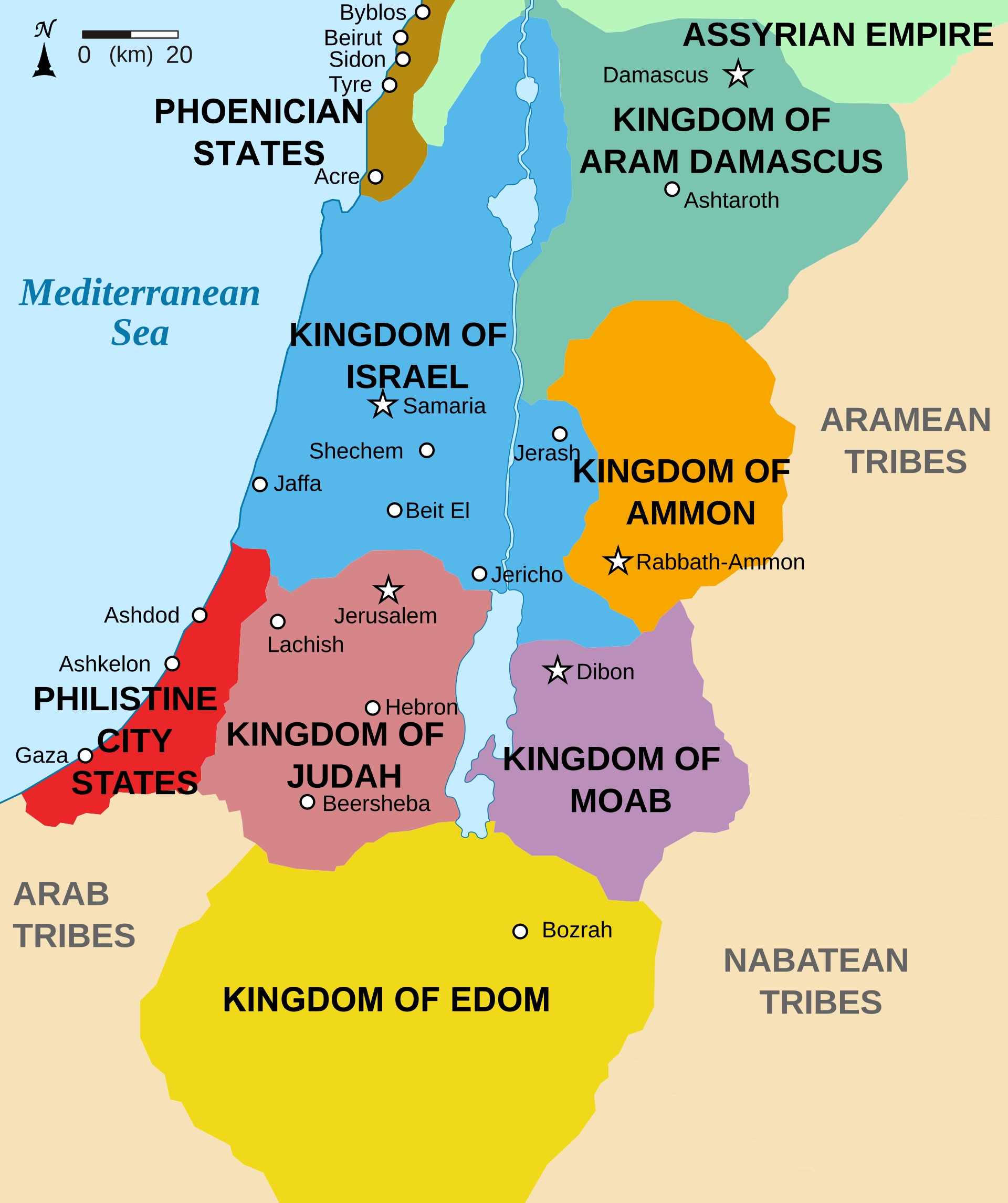
With the power of the city-states broken, the tribal confederations take over their land, expand, and become the nations of Israel, Ammon, Moab, Judah, and Edom.
But now that they are nations, they gotta go to war sometimes, both against local powers, and obviously against each other. El is a detached, grandfatherly figure, and Asherah is a nurturer.
That’s not gonna work. They need war gods to aid them on the battlefield.
Ammon adopts Milcom; Moab adopts Chemosh.
Edom adopts a little-known god named Qos, whom they’ve learned about from the Shasu of Yhw, who were absorbed into their federation; Qos appears to be the same god as YHWH, under a different name.
(Boring proviso: I’m about to present one theory, that a group of proto-Levites escaping Egyptian bondage were the vector that introduced YHWH to Israel and Judah. Another popular theory assumes it just happened via diffusion, given there would have been trade with YHWH believers among the Shasu.)
In Judah and Israel, the proto-Levites have just entered, coming home after escaping from Egyptian captivity. Unfortunately, there’s nowhere for them to live. Judahite and Israelite tribes have already claimed all the territory. But, the proto-Levites say: no problem!
We’ll be priests, living all amongst your tribes, because we found this really cool thing on the way, you’re gonna love it: there’s this dope god named YHWH. We learned about him from a tribe of Shasu during our migration. He’s great, he’s a brave desert warrior, like you guys! Not a palace god, like the trashy gods those jerks in the city-states worshiped. The perfect national god for you.
And here’s the really cool thing: he doesn’t tell everyone this, but he let us know – YHWH is actually the same God as El. It’s like his secret extra personality and name. So you’re already worshiping him!
You just need to change every single detail of how you worship him. You’ll see.
A Desert War God By Any Other Name
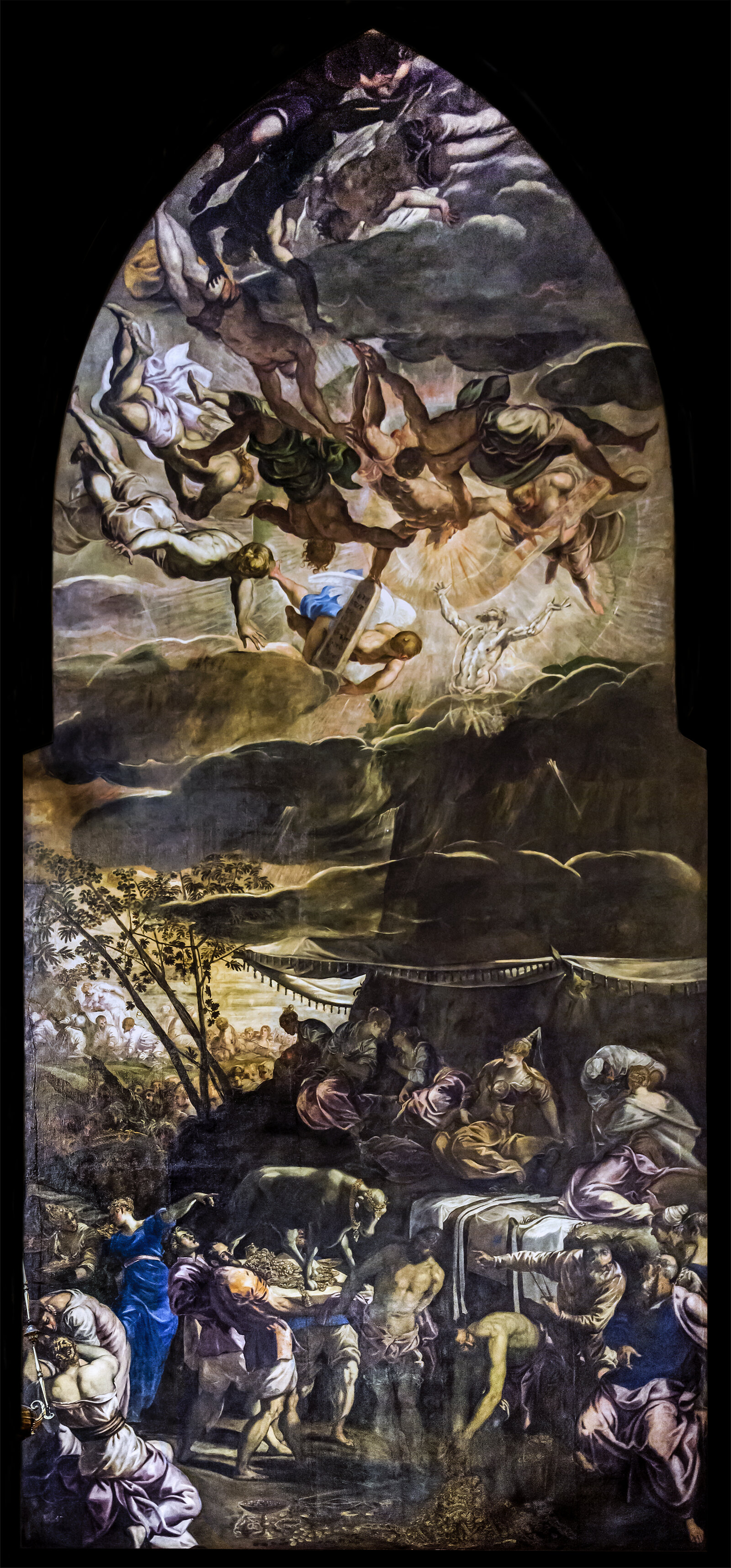

Levantine confederations of former Habiru/Shasu have taken over the land, and they each serve one of the children of El and Asherah – and three of their five national gods are forms of YHWH.
All three appear to have conflated YHWH with El. It’s handy to have your national war god also have a claim of superiority over the other nations’ gods.
Edom: as mentioned before, Qos appears to be the same god as YHWH, and Edom got him because the Shasu of Yhw, his initial worshipers, were part of their tribal confederation. Qos is a wilderness god of storm and war; he’s an archer firing lightning bolts from a rainbow.
Israel is the superpower of the region – 150,000-350,000 people at their height. Their tribes have unified, probably under the warlord Saul (the historical figure the Biblical character is based on), to defend themselves against Philistines (former Sea Peoples, back to their old tricks, but now urbanized and well-armed). Israel has the richest farmland, and they are on a trade route between Egypt and Mesopotamia, allowing even greater enrichment. Their capital is Samaria, which is in the land of the Tribe of Ephraim, a group so powerful that its name is often used for Israel as a whole. Their version of YHWH contains a much stronger memory of El than in Edom or Judah: originally, El was worshiped as Golden Bull statues, and Israel continues to use such statues in worship of YHWH, though there’s a strong argument that they had come to represent not YHWH himself, but the creatures he invisibly rode the backs of.
Israel is probably where the initial “Yahweh Alone” movement – which said that even though many gods existed, only Yahweh should be worshiped – began; the Biblical stories of the prophets Elijah, Elisha, and Hosea reflect memories of this movement, which formed in opposition as the Israelite monarchy made political and marriage alliances with powerful nations in Phoenicia with a different patron god.
Judah is tiny – maybe 10,000-30,000 people total – and rural. It was unified by the warlord David (the basis for the character in the Bible). It’s geopolitically isolated, and ruled from Jerusalem, a mountain stronghold. Their worship of YHWH becomes more and more mystic; it becomes “aniconic” – it is forbidden to build idols or represent him directly in art.
The Assyrian Captivity
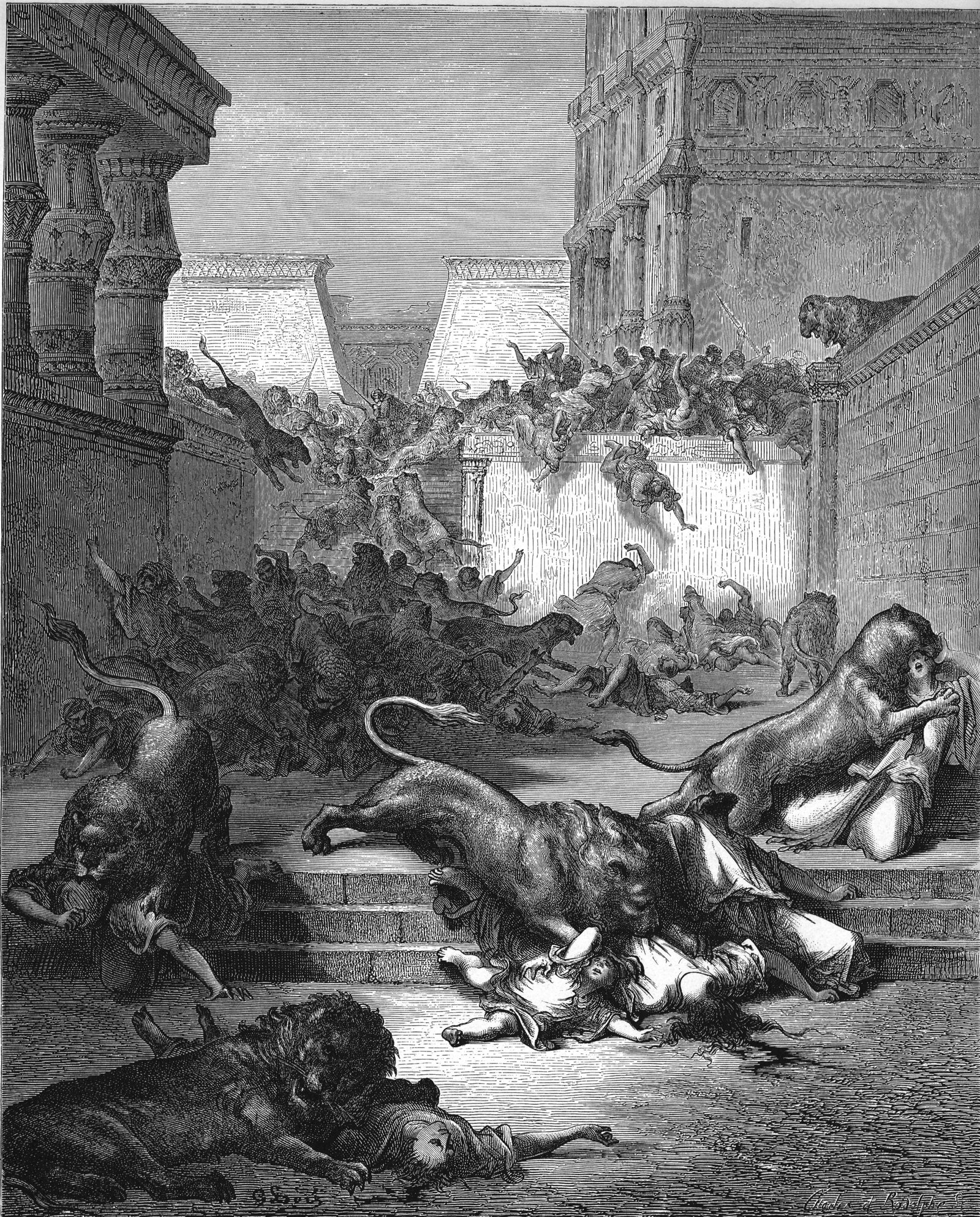
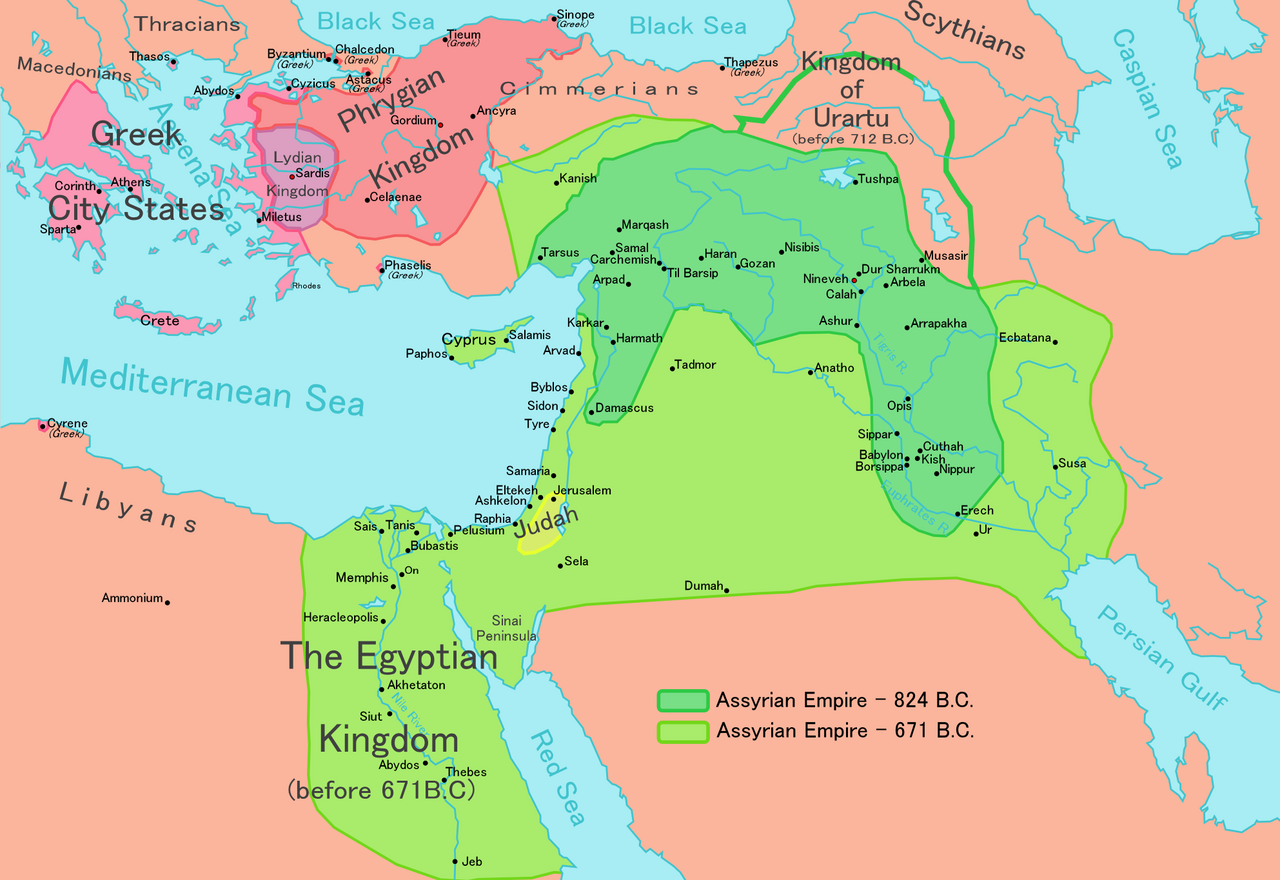
Assyria, the most powerful nation in Mesopotamia – and the world – has grown into the world’s first military superpower. They have a professional standing army. Their god mandates constant expansion.
They march through the Levant, annexing states and demanding tribute. Ammon and Moab become Assyrian military garrisons and vassals. Edom and Judah immediately agree to pay tribute.
Israel allies with Aram-Damascus to their north to make a stand against Assyria; the Israel-Aram-Damascus alliance attacks Judah to try to force them to join them. A panicking Judah sends tribute to Assyria.
Assyria crushes Aram-Damascus and plows through Israel. Around 722 BCE, Israel ceases to exist as a state.
Assyrian military policy is to deport the leadership of conquered nations to destroy their national identity. They resettle the Israelite nobles, aristocrats, priests, military officers, and skilled technicians (smiths and builders) into Mesopotamia, where they’re forced into agricultural, industrial, and military roles to serve the war machine. The resettled Israelites are scattered across a large, already well-populated area. Names of Israelite origin continue to occur in Assyrian records for a little over a century before dwindling and disappearing as their descendants assimilate.
Israelite refugees pour south into Judah. Why not their other cousin-states? Ammon and Moab are now Assyrian military outposts and are not safe; Edom is on the other side of Judah. Judah is the only open border.
What will Judah do when Israelite refugees quadruple its population?
Is Mesopotamia done hassling our heroes?
I hope they didn’t accidentally misplace any books of critical religious law for centuries!
Return next month for the thrilling conclusion!
Bibliography
- Cline, Eric H. 1177 B.C.: The Year Civilization Collapsed [free online version], also available as a video lecture, and as a graphic novel: a deeply researched exploration of the Bronze Age Collapse. Very thorough. Even the graphic novel is not a light read.
- Finkelstein, Israel. The Forgotten Kingdom: The Archaeology and History of Northern Israel: a strong proponent of the “Low Chronology,” which among other things says the rule of David and Solomon never extended beyond Judah – this book does a lot of work to disentangle the histories of Israel (at the time, the major power) and Judah (at the time, a very minor power).
- Friedman, Richard Elliott. Who Wrote the Bible?: an updated version of the Documentary Hypothesis, talking about the distinct origins of various layers of the Biblical text.