Pantheon Coup
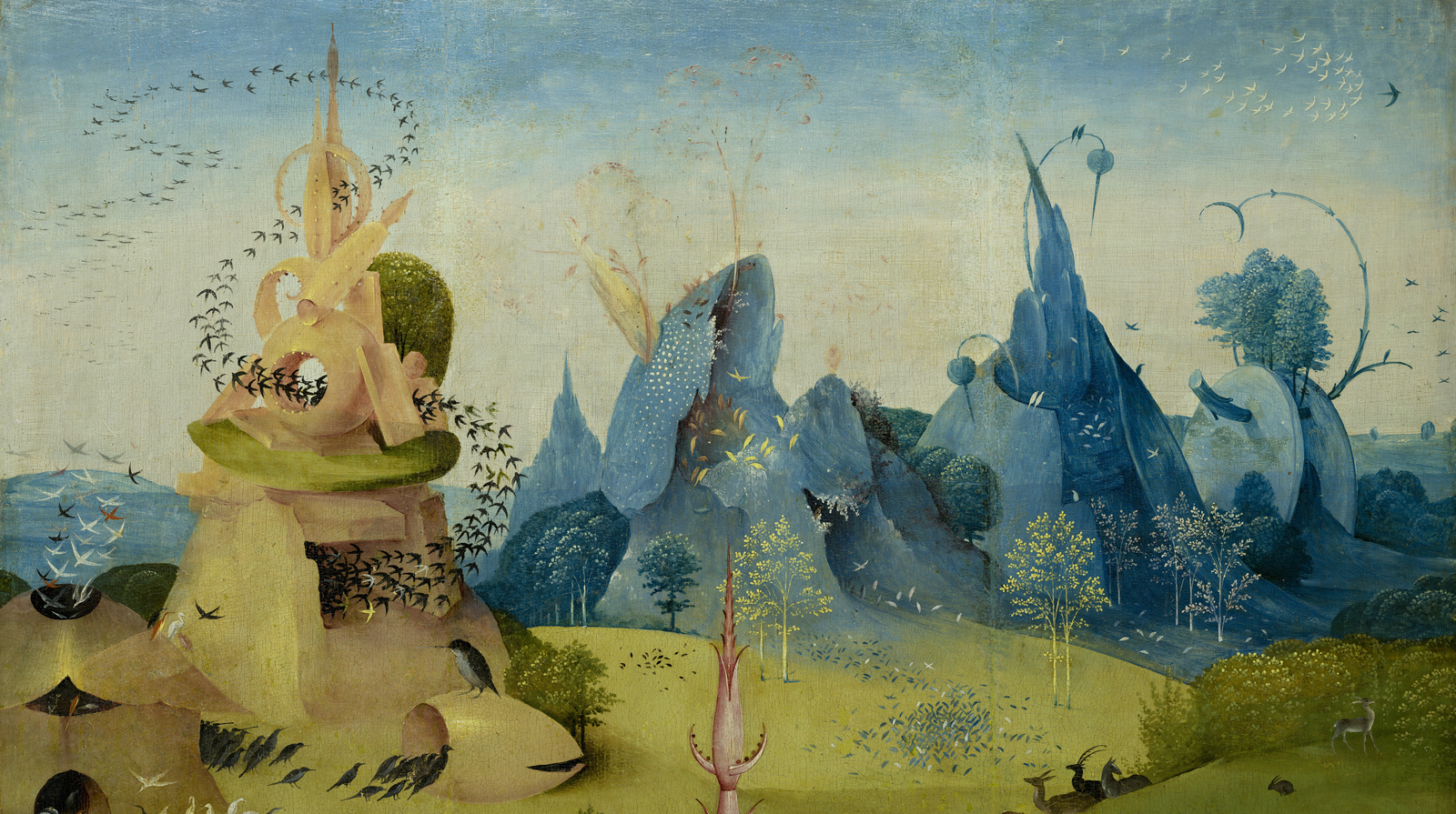
El, the Father of Years. 1
The king of the gods wears a long gray beard, a tiered robe, and a horned headdress. He sits on a throne in his pavilion at the source of two rivers, at the wellspring of the two deeps.
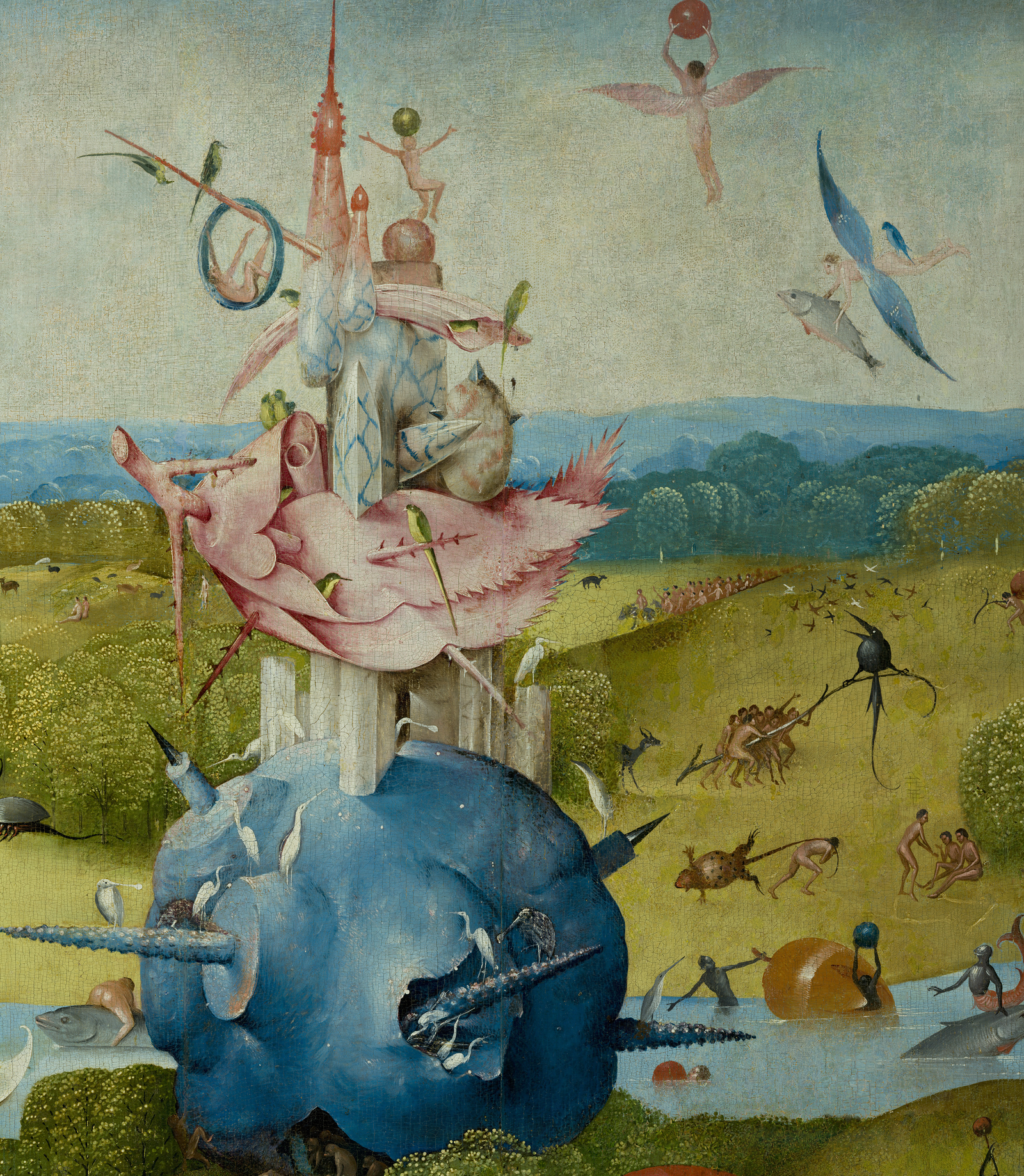
Asherah, the Great Lady Who Treads Upon the Seas. Wife of El. 2
A majestic queen, spinning cloth from a spindle of precious metal threads. About her, a fisherman is always moving, always sweeping her garments clean. The queen (and her fisherman) flickers and disappears, replaced by a sacred tree whose leaves feed ibexes.
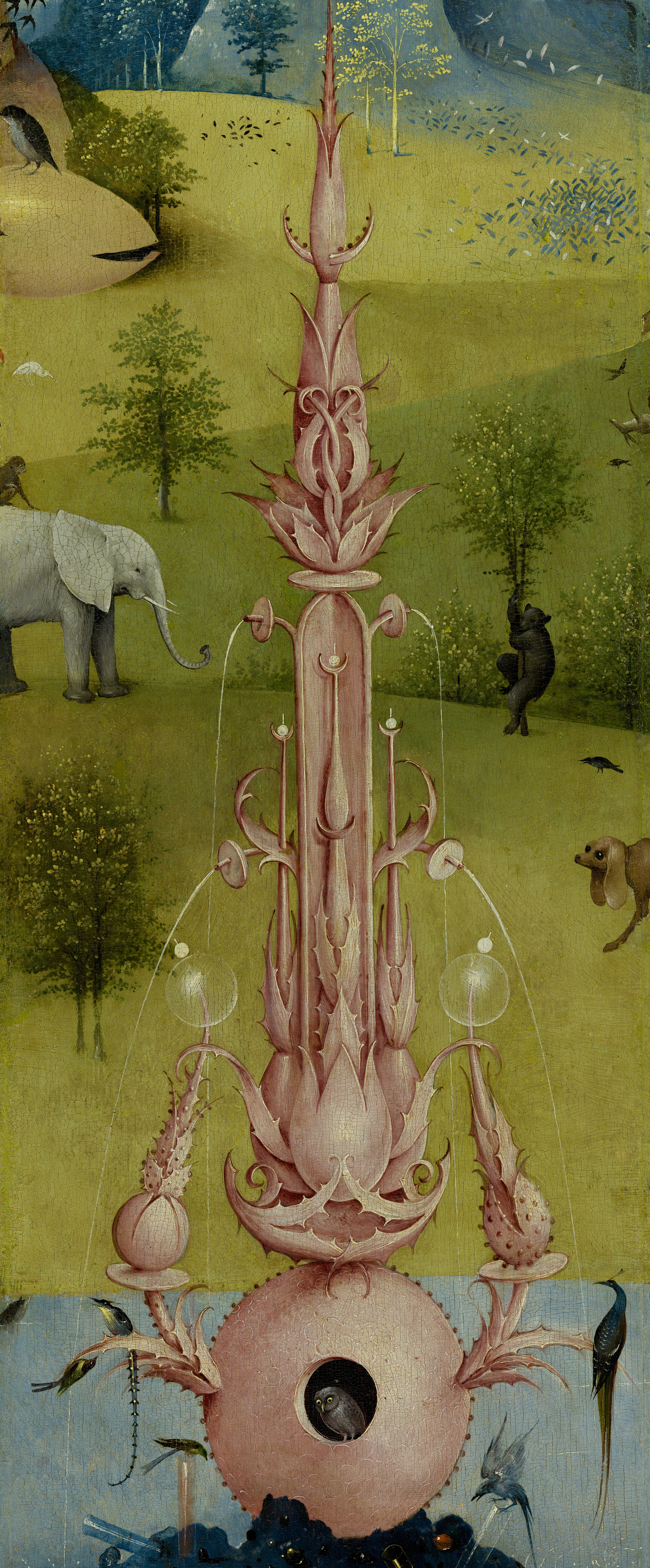
The seventy children of El and Asherah rule the nations.
Hadad is so mighty and so honored that he is often called only Baal, which means Lord. He wears the horns of a young bull. He rides the storm clouds, armed with lightning. He dwells in the house of his father El and his mother Asherah. 3
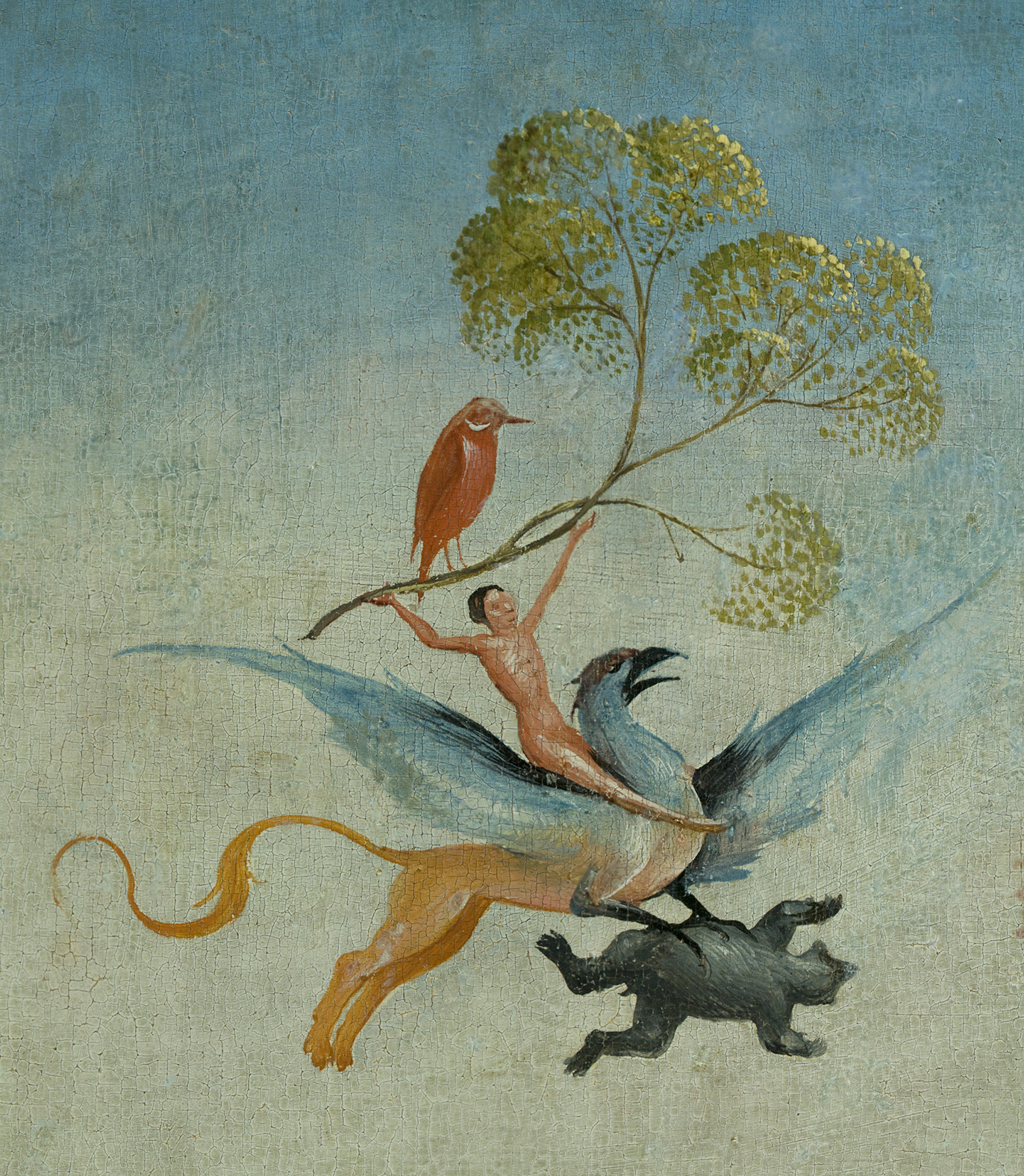
Yam, the god of sea and rivers, is a man and he is a titanic sea serpent. From his palace in the watery depths, he appeals to El, the Father of Years. He wishes to be King of the Gods. 4
El says Yam shall become the Darling of El and rule, but first he must take the throne of Baal.
Yam sends a message to Baal.
Baal lifts the divine clubs Yagrush and Aymur, one in each hand. He strikes Yam between the shoulders and then between the eyes. He batters him to death and scatters his remains upon the Earth.
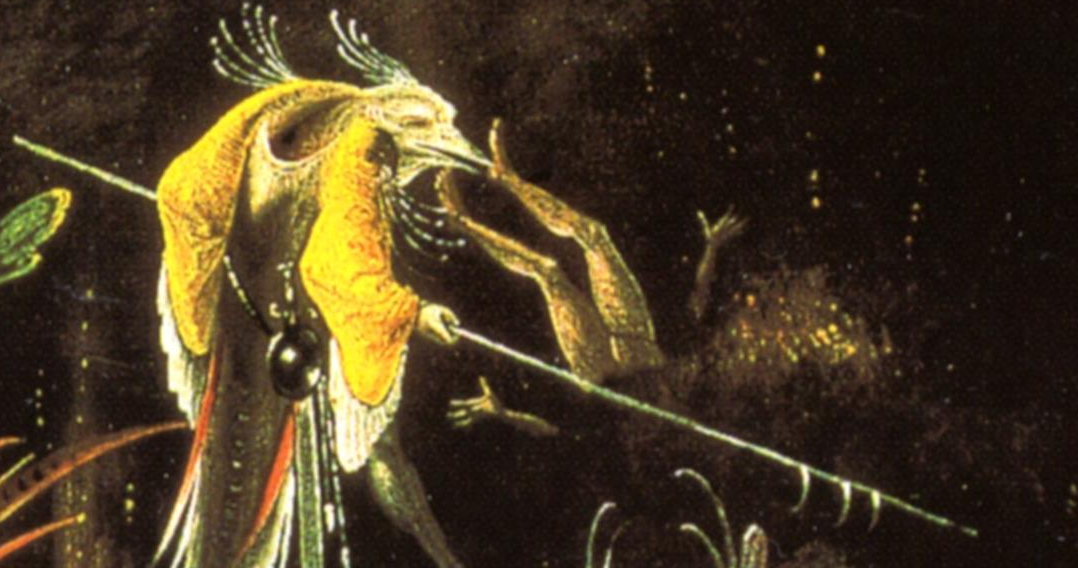
Baal’s sister Anat, an immortal adolescent wearing the wings of a bird of prey, invites the humans of the seashore and of the sunset, the enemies of Baal, to a banquet. Once they have entered her halls, she barricades the door and murders them in a frenzy. She wades knee-deep through their blood, killing more and more, till she is neck deep in the gore of the dead. 5
Anat is satisfied.
She pours oil into a bowl and cleans her hands.
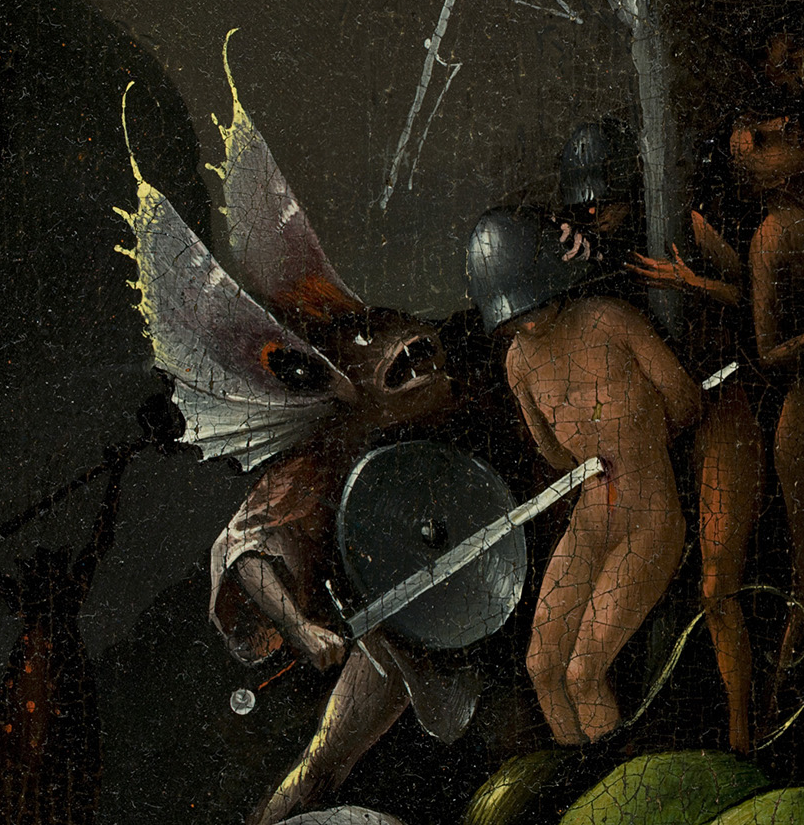
Baal tells Anat he wants a palace of his own, separate from El’s pavilion.
Anat shouts that unless El accommodates Baal’s desire and grants him a palace, she will cast El to the ground and make his gray hair run with blood and gore.
She marches into El’s pavilion, the earth shaking from her strides.
El refuses.
Anat and Baal give gifts to Asherah. She is honored, and convinces her husband El to finally grant Baal his palace.
Baal sits triumphant in his palace, announcing that none can resist his power. He invites any who would dare challenge him to fall directly into Mot, the god of death, who is an insatiable predatory maw roaring from the muddy swamp that is the gate to his dominion below the Earth.
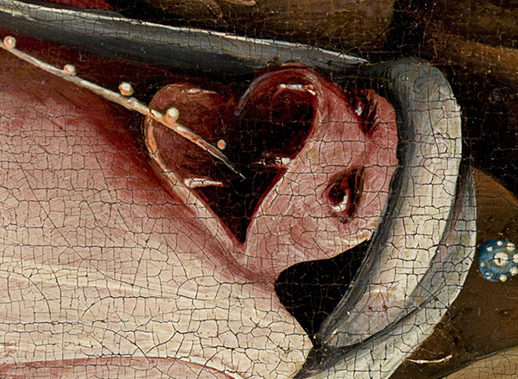
But Mot will not be used by Baal. Like the lion of the desert, he hungers insatiably for the blood and gore of the living.
He strikes Baal down and consumes him.
Anat descends into the underworld and raises her sword against Mot. She slashes him, shakes him, burns him, and crushes him. She feeds his remains to the birds.
Baal is reborn and returns to his palace, triumphant.
El is the Father of Years, but he has ceded rulership of the world to Baal.
Freed from the world’s affairs, El goes walking in the desert. He finds a nomad and makes a covenant with him. 6
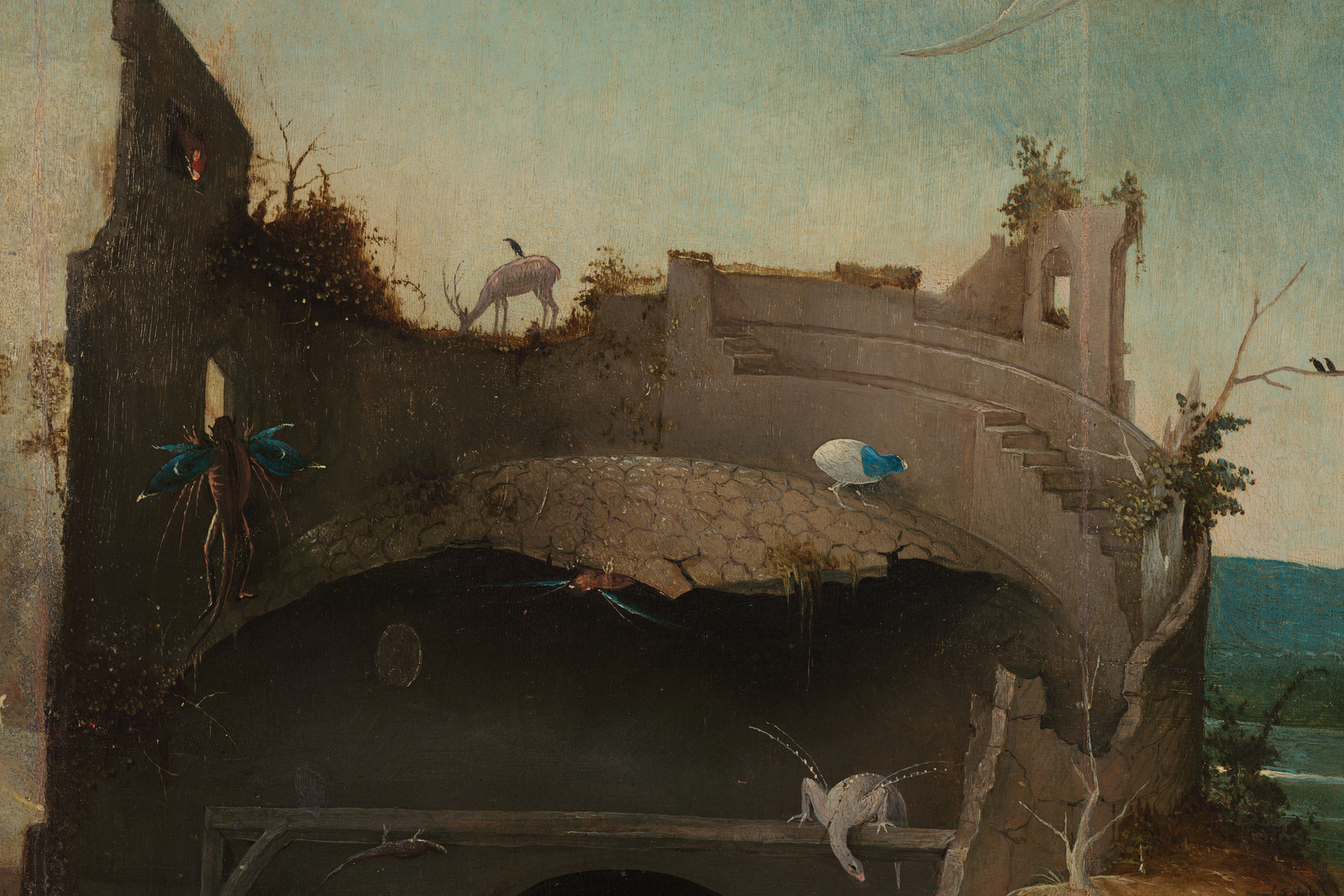
Far away, between the southern desert of Midian and the crags of Edom, two warrior gods appear, late sons of El and Asherah.
Qos, the desert archer, fires lightning arrows from the rainbow. 7
YHWH, the artificer and metallurgist, forges deadly weapons with bursts of fire from the forge. 8
Volcanos erupt. The sky is black. Crops wither. Famine and drought stalk the land. Raiders attack from the seas. Palaces burn. 9
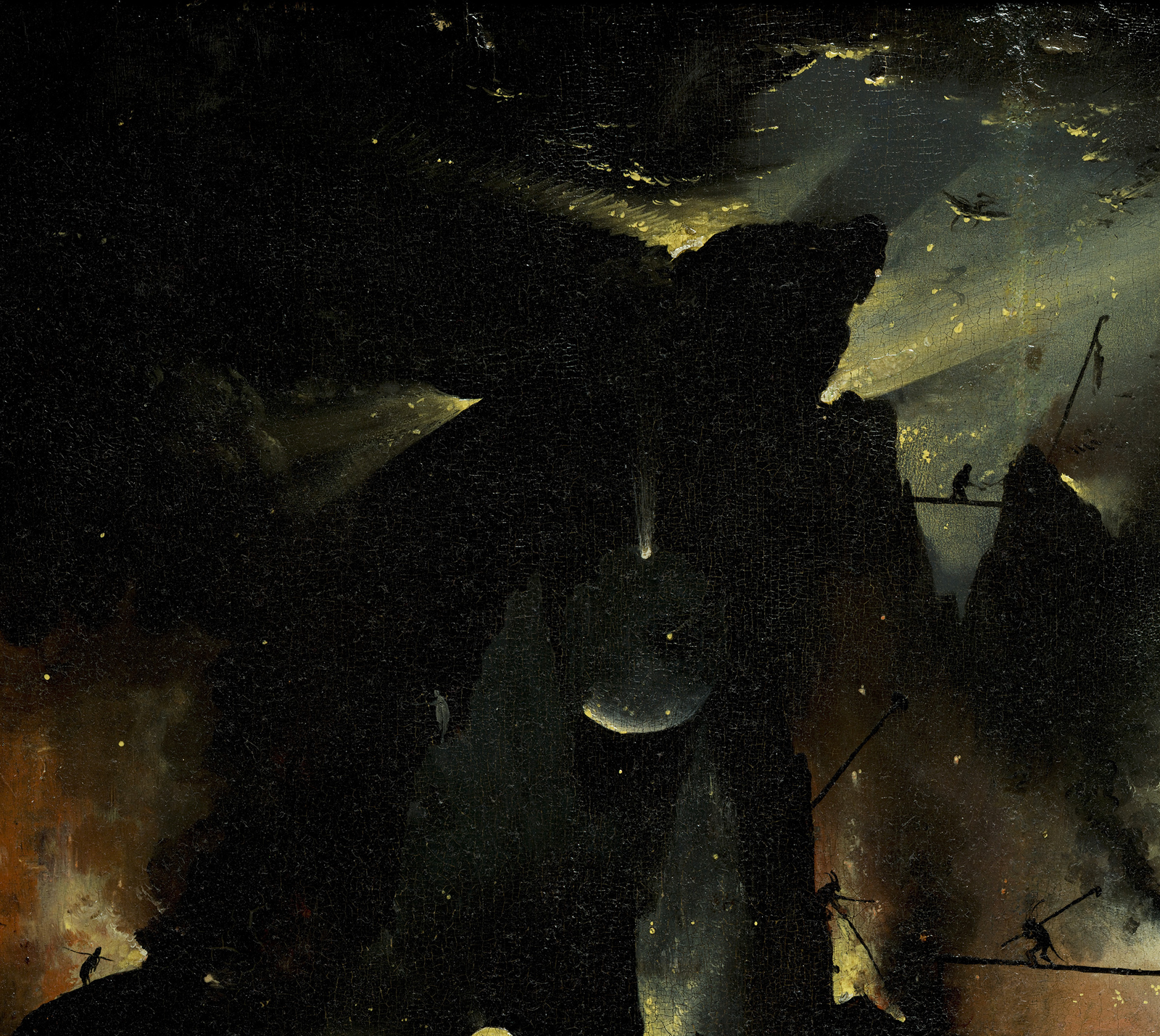
The fire of the volcano belongs to YHWH; he smelts his weapons on a lava forge. One long-forgotten night, his rise begins: he merges with Qos. 10
He is now artificer and lightning archer.
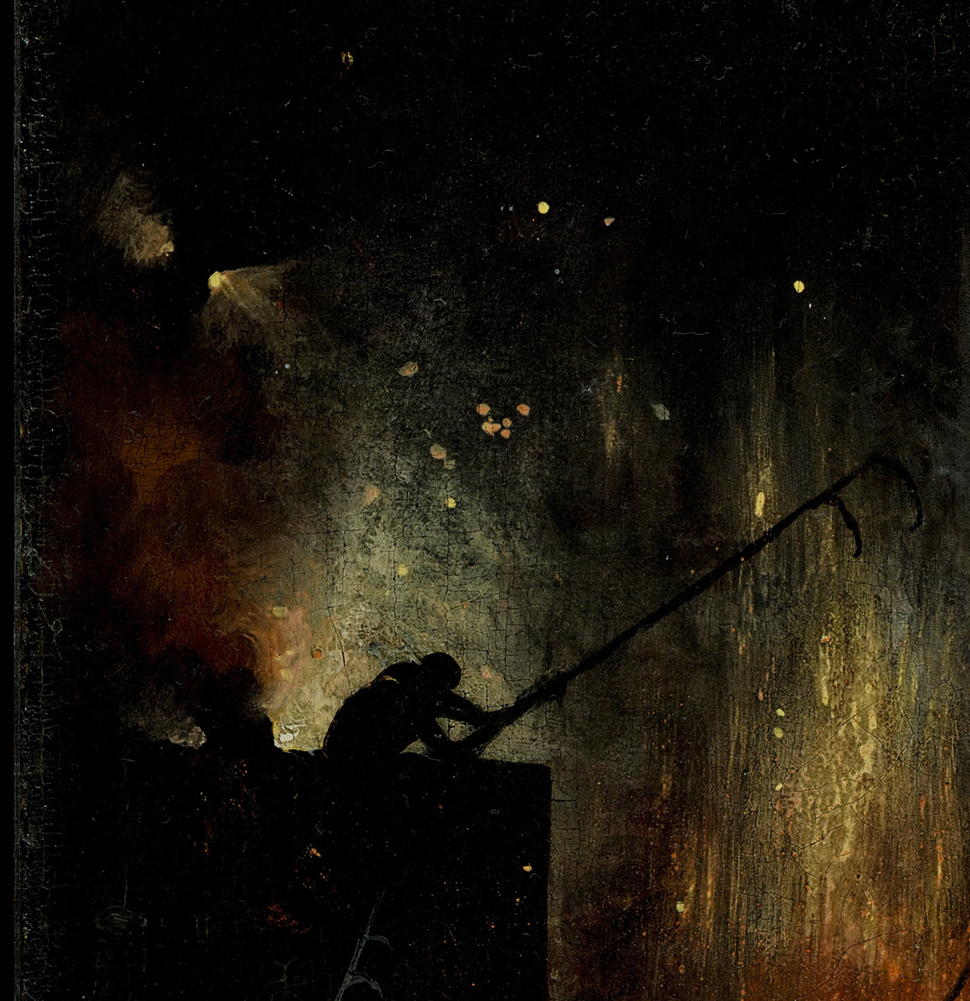
YHWH rides north out of the desert, and into the pavilion of his father El. But when he throws open the curtains to his father’s chambers, he finds only himself. 11
He clothes himself in El’s raiment, headdress, and majesty. Now the artificer and lightning bowman is also his own father.
YHWH is the father of the gods, and his mother, Asherah, is his wife.
YHWH calls a prophet, a descendant of the nomad with whom his erstwhile father, El, formed a covenant. I appeared to your forefathers as El, he claims, but I did not make myself known to them by my secret name: YHWH. He charges the prophet to lead a people who shall become YHWH’s beloved. 12
YHWH demands that their firstborn children be murdered in his name, calling this a molk sacrifice. 13
His beloved carry YHWH’s throne into battle. He casts down the walls of enemy cities, afflicts them with disease, and topples their gods.
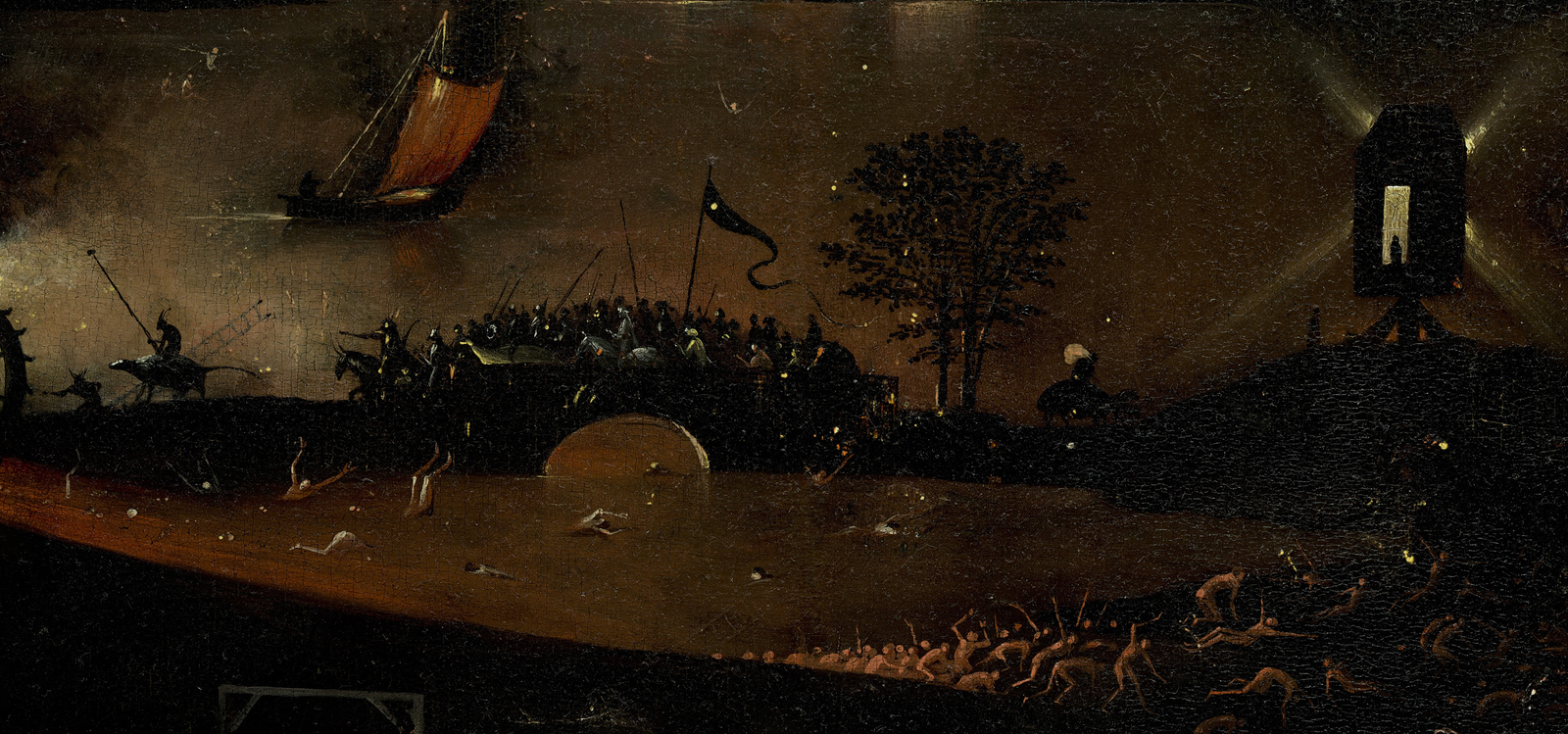
YHWH modifies and rescinds the commandment for child sacrifice, reaching back through time. Now there has never been molk sacrifice – only sacrifice to Molech, a child-eating god who had not previously existed. 14
YHWH is a golden bull, who rides clouds as chariots and speaks through thunder.
But so is Baal Hadad, whom he hates. 15
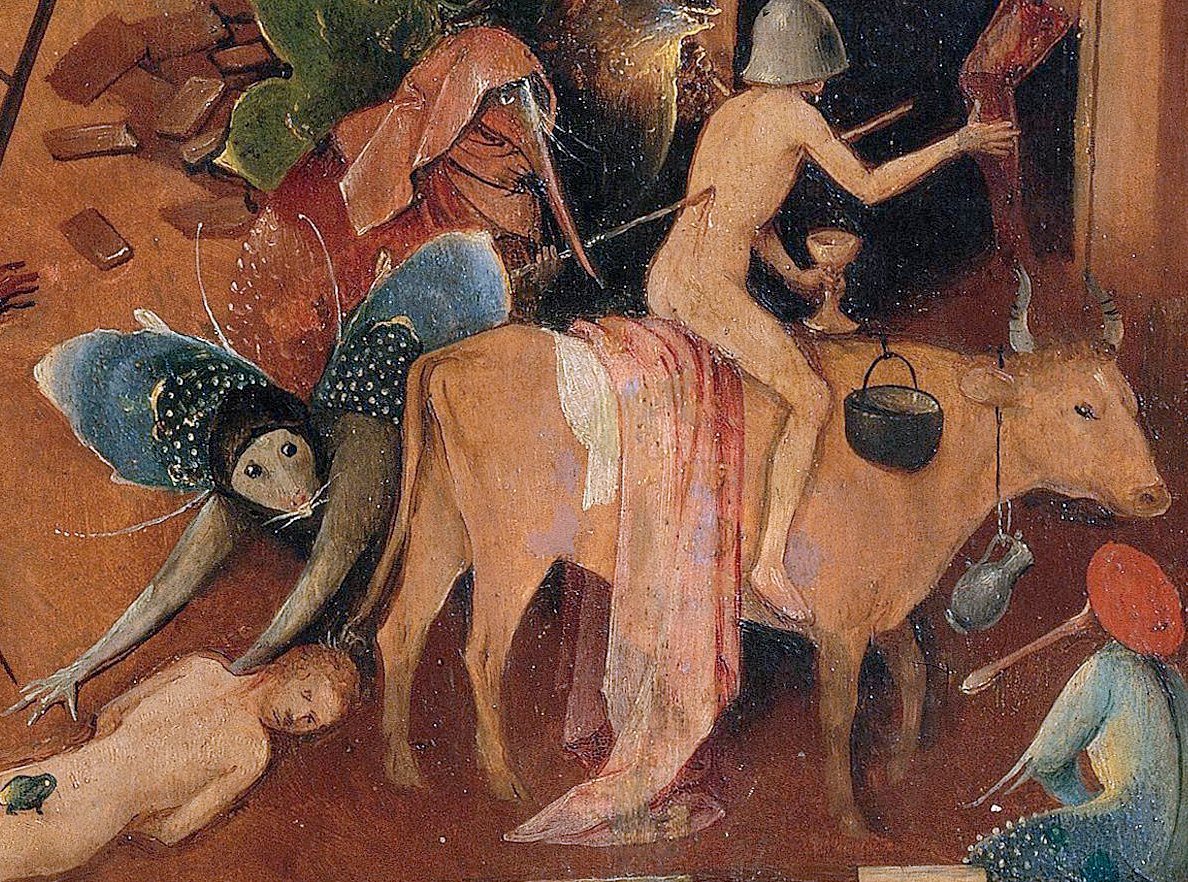
At Mount Carmel, YHWH challenges Baal.
YHWH burns an altar. He commands the rain. 16
Where are Baal’s divine clubs, Yagrush and Aymur?
Where is his sister Anat? Where is her roar, her earthquake steps? Why does the blood and gore of Baal’s enemies remain inside their bodies?
Why does Baal’s mother, Asherah, stand by YHWH’s side, like a loyal wife?
Baal Hadad is mocked and shamed and skulks away. He has become the Lord of the Flies. 17
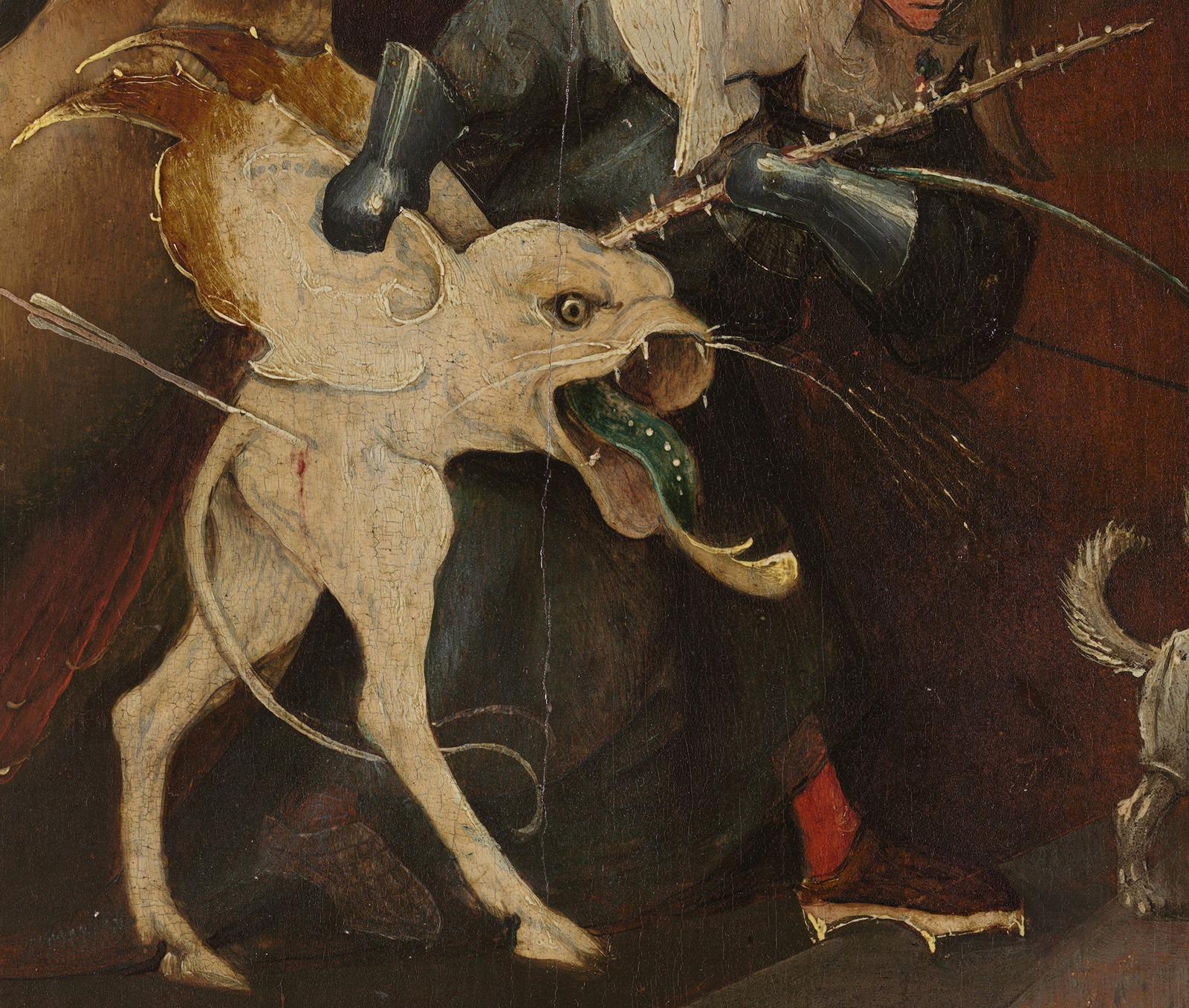
In his Temple, YHWH reveals the book of the law to his high priest Hilkiah – the book that had been there all along, though none could have found it. The book forbids the worship of all gods but YHWH. 18
Including his wife.
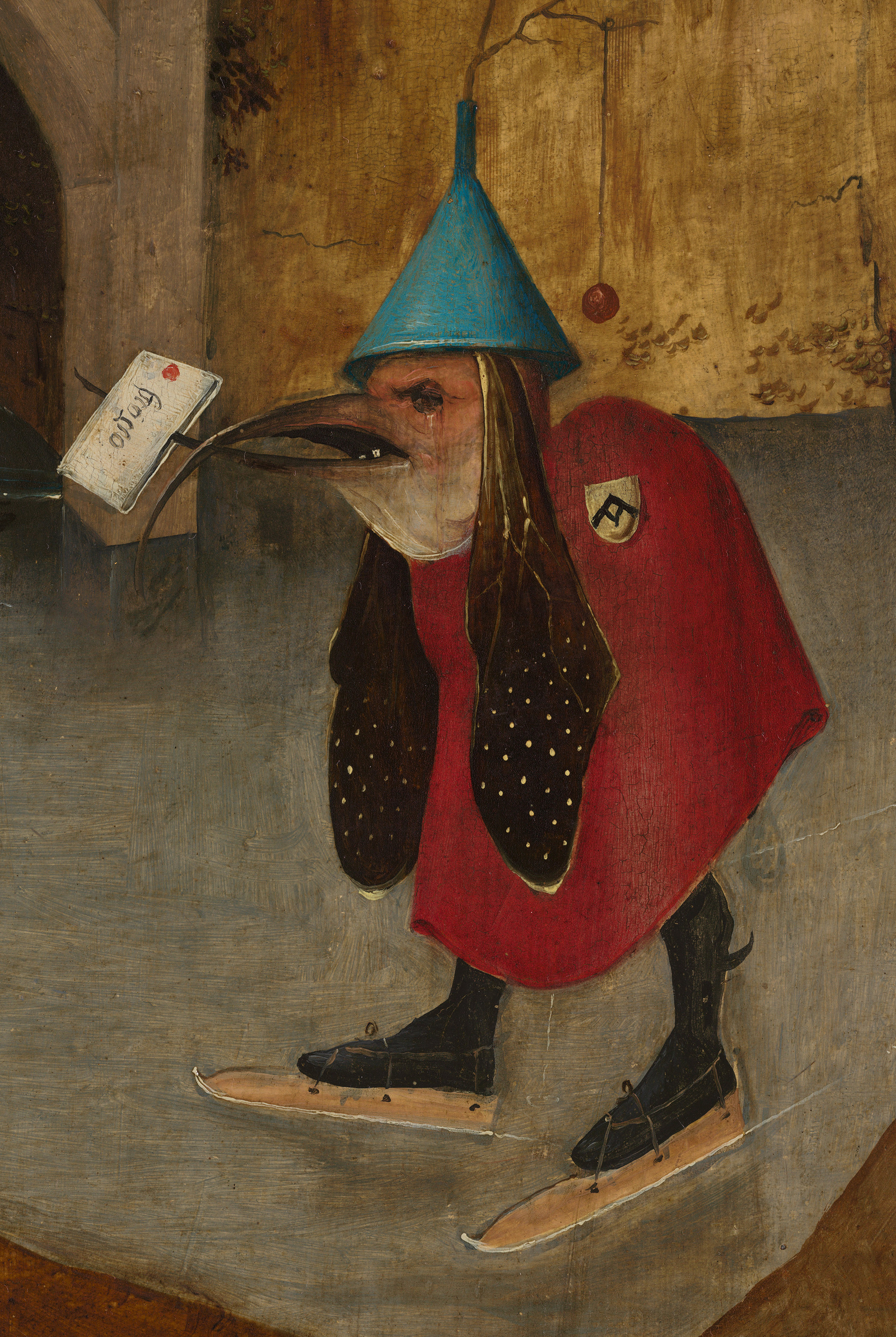
The beloved of YHWH march into the Temple, where the tree of his mother-wife Asherah stands. They fell her, drag her into the Kidron Valley, and burn her. 19
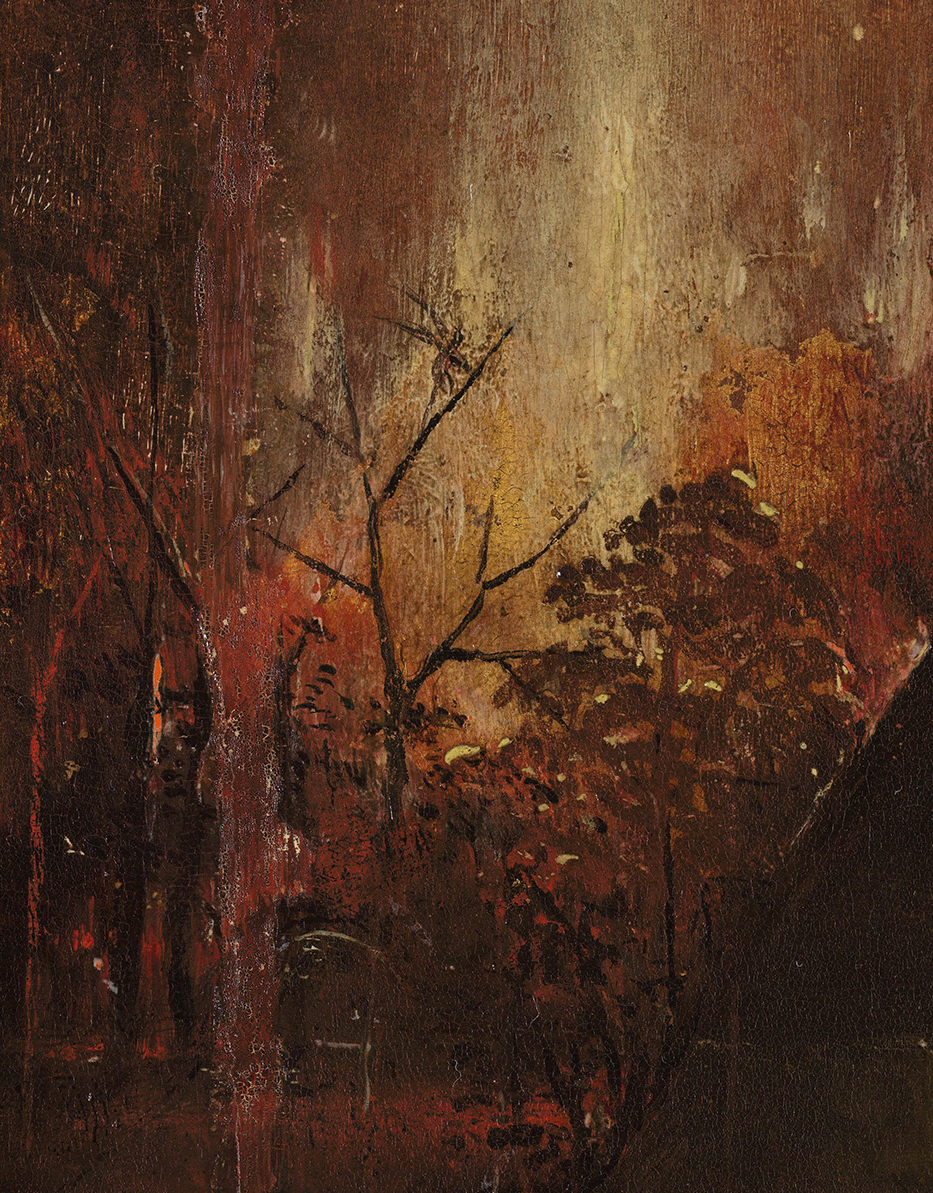
Now YHWH has no body. He has become invisible. To see him means death. He rewrites the past: now he has always been invisible. 20
And in this moment, when YHWH is strongest… the beloved of Marduk, the god of justice and canals, arrive in might, cast down the beloved of YHWH, and carry them into bondage.
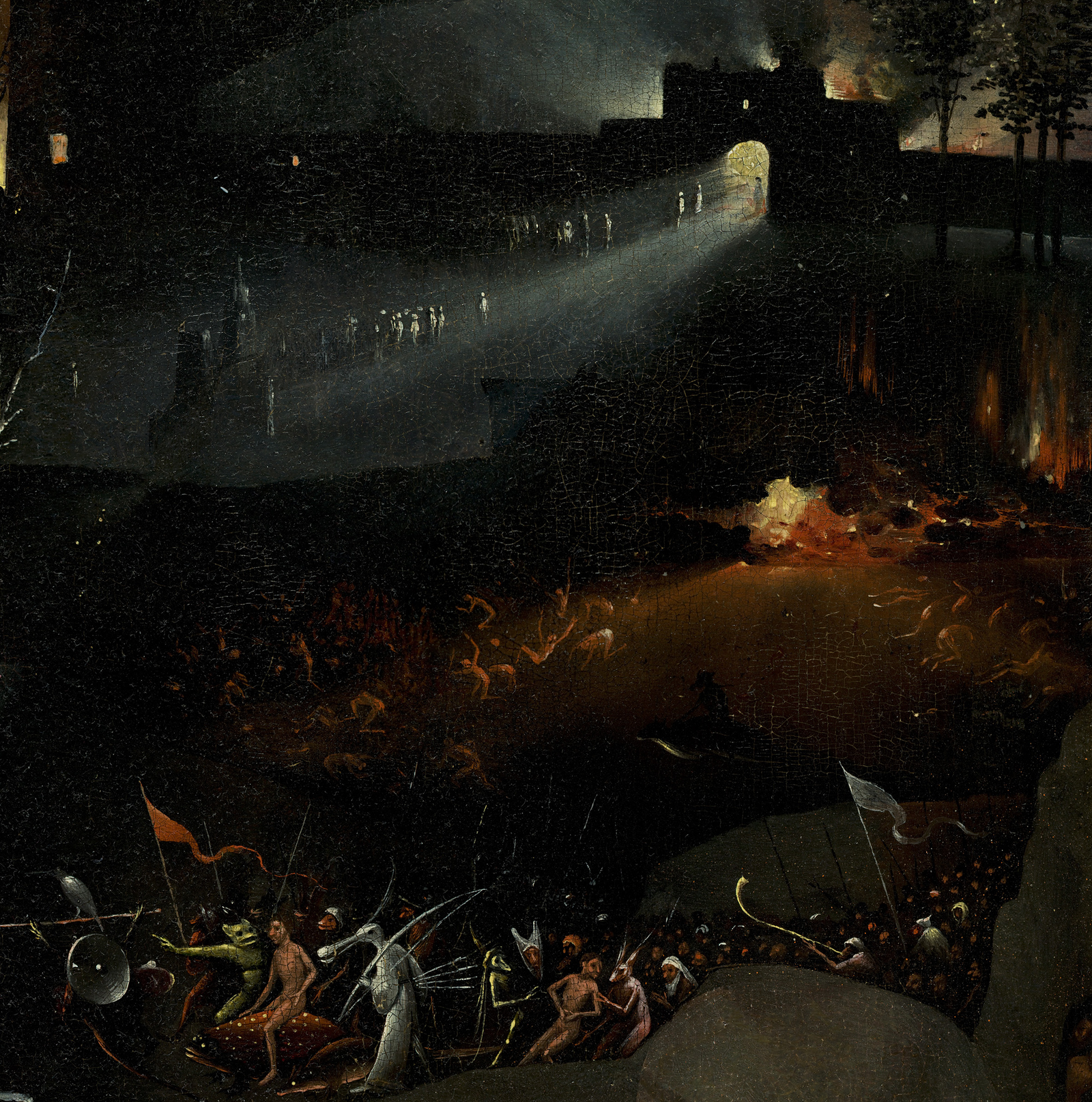
YHWH summons all the gods into council.
They have rewarded the wicked and neglected orphans.
As punishment, they shall no longer be gods. He claims their divine territories as his own, takes their divine offices from them, and curses them to die as mortals. 21
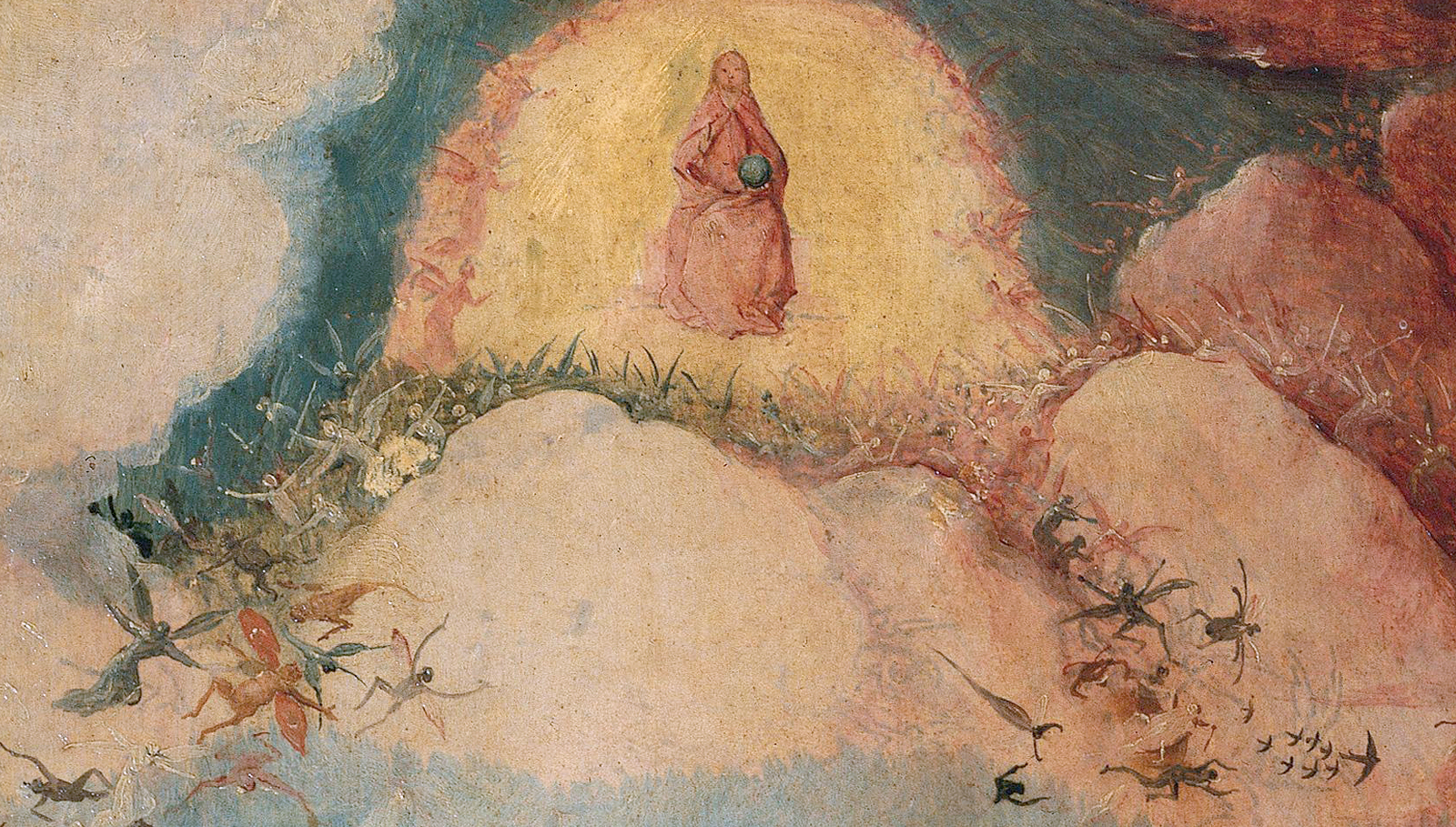
The beloved of YHWH are freed and return to their land, though they are beset for centuries by Empire after Empire.
YHWH sends his son to his people. His life and death take place against the backdrop of an uprising, which ends with his beloved expelled again from their land.
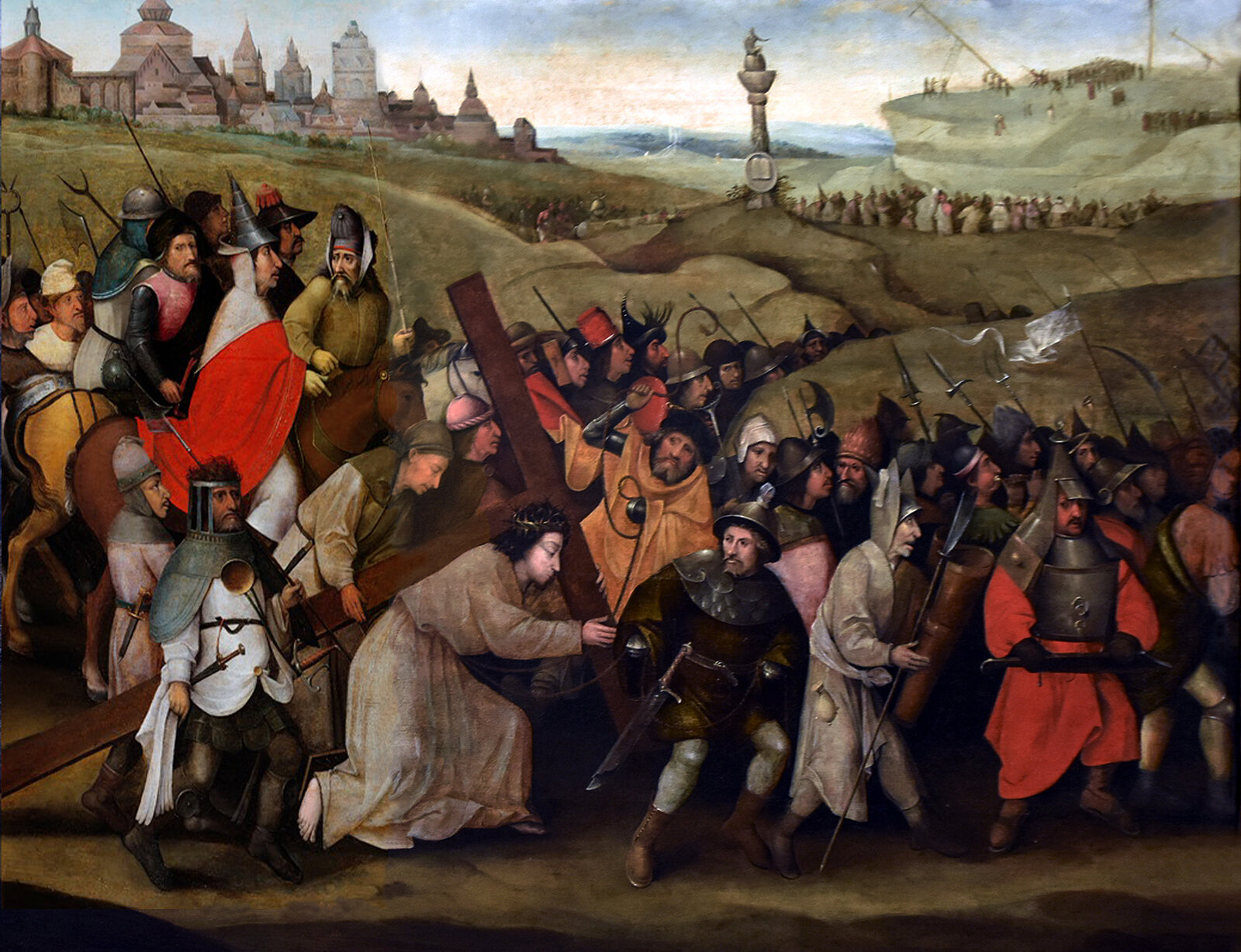
YHWH transforms an oppressor into an apostle, and that apostle redefines the beloved. No longer are they a specific people; now, they are all those who pledge themselves to him through rituals of water and wine. 22
YHWH speaks to the Emperor in a dream: you shall conquer in my name. The Emperor is submerged below the water, and drinks of the wine. 23
Empire is YHWH’s.
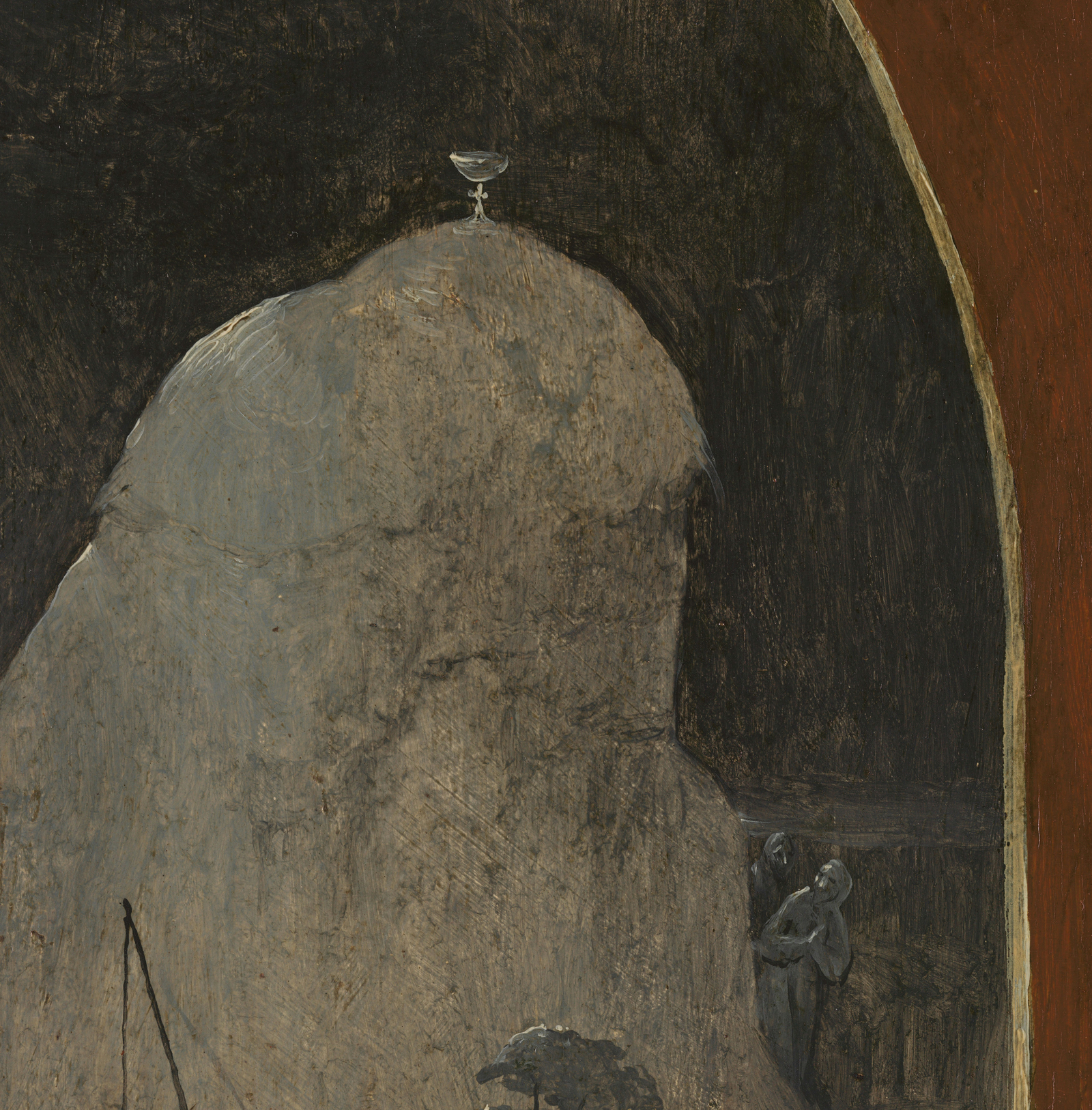
YHWH reaches a hand back through time. The other gods are erased. Now there has only ever been one God, and His pronouns are capitalized.
In Arabia, a new prophet declares that YHWH never had a beloved people; His remit has always been universal, but daily and annual life must be heavily structured lest you forget to live by His law. 24
The Caliphate burns across the Near East, and it also becomes YHWH’s.
Three different beloved peoples of the same God write three incompatible histories of the world, forever twisting around one another.
YHWH’s original beloved are in exile, as they were in Babylon. This time their exile will last almost two thousand years.
But now, the lands they have been expelled into belong to their own God. 25
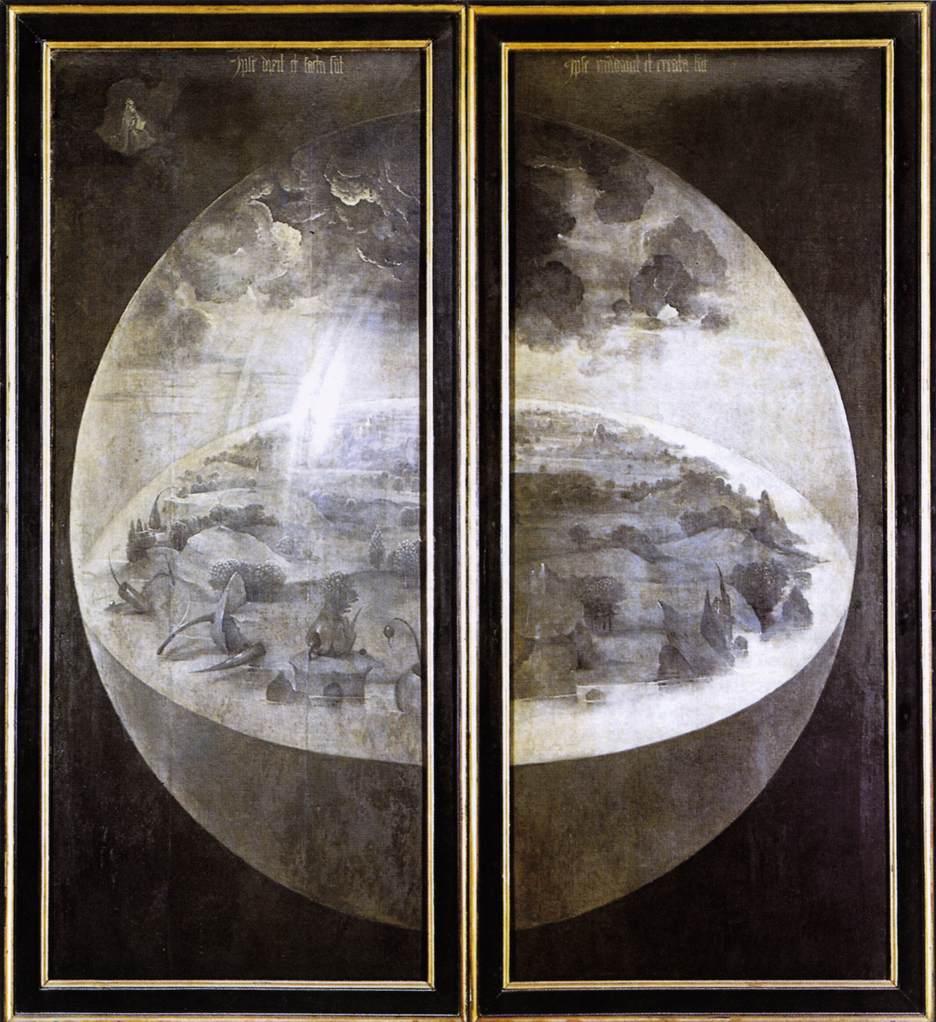
Image credits
All the images above are cropped out of paintings by Hieronymus Bosch.
All are in the public domain. Most of these scans were made by the Bosch Research and Conservation Project; the files are on Wikimedia Commons. Many thanks to both.
- The Garden of Earthly Delights
- The Temptation of Saint Anthony
- … and its exterior grisaille
- the central panel of The Last Judgment
- the Ecce Homo Triptych
- Ship of Fools
- The Haywain Triptych
- The Crucifixion of St Julia


For more on El, see The God of the Patriarchs and the Ugaritic Texts: A Shared Religious and Cultural Identity.↩︎
This post uses the spelling Asherah, her name in Hebrew literature, but her name in the Baal Cycle was Athirat, the Ugaritic form.↩︎
The story of Baal, Yam, Mot, and Anat is the Baal Cycle, from Ugarit, a Canaanite city-state destroyed in the Bronze Age Collapse. I drew from The Ugaritic Baal Cycle, Volume II, by Mark S. Smith and Wayne T. Pitard.↩︎
The stories in Genesis were collected at a time when the patron god was El, not YHWH, one major clue to which is that characters are given names praising their patron god – theophoric elements; there are no characters in Genesis with YHWH’s theophoric elements, “yeho-,” “-yah,” “-jah,” etc., but there are several with El’s: Ishmael, Eliezer, Reuel, Eliphaz, and, of course, Israel.↩︎
The Hekla 3 volcanic eruption may have been a contributor to the Bronze Age Collapse.↩︎
Insights on the Relationship Between Qos and Yahweh during David’s Reign in the Books of Chronicles.↩︎
When the text of Exodus 6:2-3 was originally composed, the version of the myths of Abraham, Isaac, and Jacob available to the scribes described the covenant as having been made with El, not YHWH, so the scribes inserted the verse as theological glue.↩︎
Dan McClellan: Exodus historicity & a child sacrifice commandment.↩︎
Dan McClellan: There was never a god in the ancient world named Molech.↩︎
Religion for Breakfast: Who Was Baal? (and why he sounds a lot like Yahweh).↩︎
Lord of the Flies, or Beelzebub, is an intentional, mocking corruption of “Beelzebul,” an extended form of Baal’s name, meaning Prince Baal.↩︎
MythVision TV: YAHWEH’S BODY: The Biblical Evidence Nobody Talks About.↩︎
Dan McClellan argues that Psalm 82 is a post-Exilic work showing the demotion of the other gods from the pantheon as punishment for the Babylonian Exile.↩︎
In the preceding historical posts, I presented competing theories, in cases where they all had high levels of scholarly acceptance. Here, I’m following narrative logic: historical events are replaced with corresponding events in a mythological register, and in several cases where there are competing scholarly theories, I have picked one.↩︎